
Celebrity
Michelle Schumacher: Biography, Career, Family, Movies, and Creative Journey


Michelle Schumacher is an accomplished American filmmaker, director, writer, producer, editor, and former Broadway performer whose work has earned recognition in independent cinema. While many people first discover her as the wife of Academy Award-winning actor J.K. Simmons, Michelle has built an impressive career based on her own creativity, storytelling, and dedication to filmmaking. From performing on Broadway to directing feature films, she has continually reinvented herself while maintaining a reputation for professionalism and artistic excellence.
This comprehensive guide explores Michelle Schumacher’s life, career, family, notable films, creative achievements, and the lasting impact she continues to make in the entertainment industry.
Quick Bio
| Field | Details |
|---|---|
| Full Name | Michelle Marie Schumacher |
| Birth Date | September 28, 1966 |
| Age | 59 (as of 2026) |
| Height | 5 ft 6 in |
| Profession | Director, filmmaker, producer, editor, actress |
| Known For | I’m Not Here, You Can’t Run Forever |
| Husband | J.K. Simmons |
| Children | Joe Simmons, Olivia Simmons |
| Production Company | Rubber Tree Productions |
| Net Worth | $1M–$3M |
| Not Related To | Michael Schumacher (F1 driver) |
Early Life and Background
Michelle Schumacher, born Michelle Marie Schumacher on September 28, 1966, developed a passion for the performing arts at an early age. Although she has chosen to keep many details of her childhood private, her career demonstrates a lifelong commitment to acting, music, dance, and storytelling.
Before becoming a filmmaker, Michelle established herself on Broadway, where she worked as an actress, singer, and dancer. Performing on some of America’s most prestigious stages gave her valuable experience in character development, stage production, and artistic collaboration. These years laid the foundation for her future transition into directing and screenwriting.
Working in live theatre also taught Michelle the importance of discipline, preparation, and teamwork—qualities that would later define her approach behind the camera.
Broadway Career and Transition to Filmmaking
Michelle Schumacher’s entertainment career began in the theatre world rather than Hollywood. She appeared in touring Broadway productions, including Peter Pan, where she met actor J.K. Simmons, a moment that would eventually shape both her personal and professional life.
Although acting provided creative fulfillment, Michelle gradually discovered a passion for storytelling from behind the scenes. Rather than remaining exclusively in front of the camera, she expanded her skills into writing, directing, producing, and editing.
This career transition required determination and continuous learning. Instead of following a conventional path, Michelle embraced independent filmmaking, where she could bring deeply personal stories to life while maintaining creative control.
Her early short films demonstrated her ability to balance compelling narratives with emotionally engaging characters, earning respect within independent film circles.
Michelle Schumacher’s Directing Career and Notable Films
Michelle Schumacher has directed several projects that showcase her unique storytelling style. Her work often explores emotional resilience, family relationships, psychological struggles, and personal growth.
The Floor (2004)
One of her earliest directing projects was the short film The Floor, which introduced audiences to her thoughtful approach to visual storytelling.
The Boy (2006)
She followed with The Boy, another short film that further developed her skills as both a writer and director.
3 Geezers! (2013)
Michelle made her feature directorial debut with the comedy 3 Geezers! Although the film received mixed reviews, it demonstrated her ability to manage a full-length production and work with an experienced cast.
I’m Not Here (2017)
Her breakthrough project arrived with I’m Not Here, an emotionally complex drama starring J.K. Simmons, Sebastian Stan, Maika Monroe, and Mandy Moore. The film explores themes of trauma, memory, regret, and redemption through an unconventional narrative structure.
The movie premiered at international film festivals and earned Michelle Schumacher recognition, including a nomination for Best Directorial Debut at the Camerimage Film Festival. Critics praised its ambitious storytelling and emotional depth.
You Can’t Run Forever (2024)
Michelle continued expanding her filmography with the psychological thriller You Can’t Run Forever, once again demonstrating her versatility as both writer and director. The project showcased her ability to move confidently between genres while maintaining strong character-driven storytelling.
Marriage to J.K. Simmons and Family Life
Michelle Schumacher and J.K. Simmons first met while performing together during a touring production of Peter Pan. Their shared love of theatre and storytelling formed the foundation of a relationship that eventually led to marriage in 1996.
The couple has two children:
- Joe Simmons
- Olivia Simmons
Despite both parents working in the entertainment industry, the family has maintained a relatively private lifestyle. Rather than seeking publicity, Michelle and J.K. Simmons have consistently prioritized family life while supporting each other’s creative careers.
Their professional collaborations have also strengthened their artistic partnership. J.K. Simmons has starred in several of Michelle’s films, creating a creative relationship built on trust, respect, and shared artistic vision.
Many observers consider their marriage one of Hollywood’s most enduring partnerships because it has remained grounded despite decades in the entertainment industry.
Michelle Schumacher’s Creative Style and Professional Achievements
Michelle Schumacher’s directing style is characterized by emotional storytelling, carefully developed characters, and meaningful themes.
Several qualities distinguish her work:
- Character-driven narratives
- Emotional authenticity
- Thoughtful pacing
- Strong visual composition
- Independent filmmaking approach
Rather than relying on spectacle, Michelle focuses on human experiences, internal struggles, and personal transformation. Her films encourage audiences to connect with characters on an emotional level.
Beyond directing, Michelle has also served as:
- Writer
- Producer
- Editor
- Actress
This broad range of experience gives her a comprehensive understanding of every stage of filmmaking.
One particularly notable achievement outside filmmaking is her status as a registered black belt with the Kukkiwon World Taekwondo Headquarters in Seoul, South Korea, highlighting her dedication to discipline and lifelong learning.
Legacy, Influence, and Lasting Impact
Although Michelle Schumacher is sometimes introduced as the spouse of J.K. Simmons, her accomplishments stand firmly on their own. She represents a growing number of filmmakers who successfully transitioned from performing to directing while maintaining creative independence.
Her career demonstrates that meaningful storytelling does not always require blockbuster budgets. Instead, thoughtful writing, talented performers, and emotional honesty can create films that resonate deeply with audiences.
Michelle has also become an inspiration for women pursuing careers in directing, producing, and screenwriting. In an industry where female directors have historically been underrepresented, her continued success serves as an encouraging example of perseverance and artistic vision.
As her filmography continues to expand, Michelle Schumacher is likely to earn even greater recognition for her contributions to independent cinema.
Interesting Facts About Michelle Schumacher
Several fascinating details make Michelle Schumacher’s story especially compelling:
- She began her career as a Broadway actress, singer, and dancer before becoming a filmmaker.
- She met J.K. Simmons while touring with Peter Pan.
- She has been married since 1996, making their relationship one of Hollywood’s longest-lasting marriages.
- Michelle has directed, written, produced, and edited multiple independent films.
- She earned recognition for I’m Not Here, which received a Best Directorial Debut nomination.
- She holds a registered black belt in Taekwondo through the Kukkiwon World Taekwondo Headquarters.
- She values privacy despite working in the public entertainment industry.
Conclusion
Michelle Schumacher has built an inspiring career through creativity, persistence, and a genuine passion for storytelling. Beginning as a Broadway performer and evolving into an accomplished filmmaker, she has continually expanded her artistic talents while remaining committed to meaningful, character-driven cinema.
Although many people initially recognize her because of her marriage to J.K. Simmons, Michelle’s achievements as a director, writer, producer, editor, and creative visionary deserve recognition in their own right. Her films reflect emotional depth, thoughtful storytelling, and a willingness to explore complex human experiences.
As she continues developing new projects, Michelle Schumacher’s influence within independent filmmaking is expected to grow, ensuring that her work remains appreciated by audiences and aspiring filmmakers alike.
Frequently Asked Questions (FAQs)
Who is Michelle Schumacher?
Michelle Schumacher is an American director, writer, producer, editor, former actress, and Broadway performer best known for directing I’m Not Here and You Can’t Run Forever.
Is Michelle Schumacher married?
Yes. She has been married to Academy Award-winning actor J.K. Simmons since 1996, and they have two children.
What movies has Michelle Schumacher directed?
Her directing credits include The Floor, The Boy, 3 Geezers!, I’m Not Here, and You Can’t Run Forever.
What is Michelle Schumacher known for?
She is known for her independent filmmaking, emotionally driven storytelling, Broadway background, and collaborations with J.K. Simmons.
Does Michelle Schumacher have a martial arts background?
Yes. Michelle Schumacher is a registered black belt with the Kukkiwon World Taekwondo Headquarters in South Korea.

The Winter Soldier Marvel Rivals is one of the game’s most recognizable Duelists, combining accurate ranged firepower with a powerful bionic arm, crowd-control abilities, and an ultimate that can punish weakened enemies. Playing as James “Bucky” Barnes requires more than simply aiming and shooting. His strongest gameplay comes from combining his weapon with his mechanical-arm abilities so that he can maintain pressure while constantly creating opportunities for himself and his teammates.
In 2026, Winter Soldier remains an interesting hero for players who enjoy an aggressive but controlled playstyle. His kit rewards accurate shots, ability timing, positioning, and target selection. Recent balance changes have also adjusted several of his abilities, including his damage, crowd control, cooldowns, and ultimate execution threshold, making it important for players to understand his current mechanics rather than relying on older guides.
Who Is Winter Soldier in Marvel Rivals?
Winter Soldier is a Duelist based on Bucky Barnes, the Marvel character known for his enhanced strength and mechanical arm. In Marvel Rivals, he brings that identity directly into gameplay through his combination of a firearm and bionic-arm attacks.
His primary weapon is Roterstern, which fires explosive rounds capable of damaging an initial target and enemies behind it. This makes positioning particularly important because opponents who line up behind one another can potentially take additional damage. The official hero information lists Winter Soldier with 275 base health, giving him more room to survive than some fragile damage-focused characters.
What makes him different from a simple ranged Duelist is his ability to switch naturally between gunfire and close-to-medium-range bionic-arm attacks. His passive also rewards this behavior by automatically reloading Roterstern while his bionic arm is being used and providing bonus health.
Winter Soldier Abilities Explained
Understanding Winter Soldier’s abilities is essential for getting consistent value from the character. His primary attack, Roterstern, fires explosive projectiles at a rate of 2.5 rounds per second, with a projectile damage value currently listed at 80. The projectile can critically hit, while the resulting area damage cannot.
His Bionic Hook is one of his most useful setup tools. Winter Soldier charges and launches his bionic arm toward an enemy, pulling the first target hit and enemies behind that target. The ability can reach up to 20 meters with sufficient charge, giving Bucky a way to disrupt enemy positioning and create opportunities for teammates. Its current cooldown is 15 seconds.
Trooper’s Fist provides mobility and disruption. Winter Soldier dashes forward, grabs enemies along his path, and launches enemies at the end of the movement. Its cooldown is currently 10 seconds. A recent 2026 balance update removed its grounded effect while reducing its cooldown from 12 to 10 seconds, changing how players should use it against mobile opponents.
Tainted Voltage is another important bionic-arm ability. Bucky charges an electrical punch and fires it forward, dealing damage and slowing enemies. It can also knock down flying heroes. The projectile pierces through enemies, making it useful when multiple opponents line up.
How Ceaseless Charge Makes Winter Soldier Unique
Winter Soldier’s passive, Ceaseless Charge, is central to his gameplay. When his bionic arm is used, Roterstern automatically reloads while Bucky receives bonus health. The official figures list 40 bonus health for Bionic Hook and Tainted Voltage and 50 for Trooper’s Fist and Kraken Impact.
This mechanic means players should not always think of their abilities simply as damage tools. They also provide sustainability and weapon management.
A common effective rhythm is to fire Roterstern, activate a bionic-arm ability, use the automatic reload, and return to primary fire. This can reduce downtime and allow Winter Soldier to maintain pressure without waiting through a conventional reload cycle.
His passive therefore rewards players who continuously connect their abilities rather than holding every cooldown indefinitely. At the same time, wasting abilities merely to trigger the passive can leave Bucky vulnerable, so timing remains important.
Kraken Impact: Winter Soldier’s Ultimate
Winter Soldier’s ultimate is Kraken Impact, one of the most recognizable parts of his kit. Bucky leaps into the air, dashes forward, and slams down with his bionic arm, damaging enemies and marking them for Culling.
The important part is what happens after the initial attack. Marked enemies who fall below the required health threshold can be executed, allowing Winter Soldier to recharge Kraken Impact and potentially continue the sequence against additional weakened opponents. The current official information lists a 20% health Culling threshold and a five-second Culling duration.
A recent balance adjustment increased the Culling threshold from 15% to 20%, while reducing the ultimate’s base damage from 80 to 70. That change makes the ultimate less about raw initial damage and more about correctly identifying and finishing marked targets.
The best Winter Soldier players therefore avoid using Kraken Impact randomly. Instead, they look for situations where several enemies are already damaged or where teammates can quickly reduce the health of marked targets.
Best Winter Soldier Strategy and Combos
The strongest Winter Soldier strategy revolves around combining his abilities rather than using them separately. A basic sequence can begin with Roterstern shots to weaken an enemy, followed by Bionic Hook to pull the target into a vulnerable position. From there, Tainted Voltage can apply its slow, allowing Bucky or his teammates to continue dealing damage.
Trooper’s Fist can then provide additional disruption or repositioning. Because using the bionic arm also triggers Ceaseless Charge, the sequence can provide both offensive pressure and bonus health.
Positioning is equally important. Winter Soldier is powerful when he has cover and a clear firing angle, but diving too deeply can leave him exposed. His abilities give him tools for close engagements, but he is generally more effective when he controls the distance rather than blindly rushing into the enemy team.
Players should also communicate when they successfully land a hook. Pulling an enemy into the line of sight of several teammates can turn a single ability into a much larger team advantage.
Winter Soldier Team-Ups and Team Composition
Winter Soldier has an especially notable connection with Captain America through the Stars Aligned team-up. The ability reflects the relationship between the two characters and gives them additional interaction during a match.
The official description explains that Captain America can leap to a teammate, while Winter Soldier can participate in the interaction. When the duo confirms the action, they collide and release a shockwave that damages and slows nearby enemies. The team-up also provides bonus-health benefits.
Winter Soldier also has team-up interactions involving The Punisher and Elsa Bloodstone, depending on the current team-up system. Official information lists Timeless Veterans with The Punisher and Expert Instinct with Elsa Bloodstone.
Because Marvel Rivals is frequently updated, players should check the current patch notes before treating any team-up or balance information as permanent.
Winter Soldier Tips for New Players in 2026
New players should focus on a few fundamentals. First, practice Roterstern accuracy because consistent primary-fire damage makes every other ability more valuable. Second, learn the timing and trajectory of Bionic Hook because a missed hook can remove one of Bucky’s most important setup tools for several seconds.
Third, avoid using Kraken Impact simply because it becomes available. The ultimate is considerably more valuable when enemies are already damaged and your team can capitalize on the Culling mechanic.
Finally, learn to use Ceaseless Charge intentionally. Alternating gunfire and bionic-arm abilities keeps the weapon loaded while generating bonus health, allowing Bucky to sustain pressure more effectively. Current community guides similarly recommend alternating Roterstern with arm abilities and using hooks from angles that allow allied follow-up.
Final Verdict: Is Winter Soldier Good in Marvel Rivals?
The Winter Soldier Marvel Rivals is a strong choice for players who enjoy a hybrid Duelist capable of dealing ranged damage, disrupting enemies, and finishing weakened targets. His gameplay is built around the relationship between Roterstern, his bionic arm, Ceaseless Charge, and Kraken Impact.
His greatest strength is flexibility. He can pressure opponents from range, pull targets into dangerous positions, slow or disrupt mobile heroes, and exploit low-health enemies with his ultimate. However, he rewards precision and decision-making rather than mindless aggression.
For 2026 players, understanding the latest balance changes is particularly important. Winter Soldier’s recent adjustments have reduced some of his crowd-control power while strengthening aspects of his direct damage and ultimate execution potential.
Overall, Bucky is an excellent character for players willing to practice aim, cooldown management, positioning, ability chaining, and target selection. Master those fundamentals, and Winter Soldier becomes far more than a simple gun-wielding Duelist—he becomes a dangerous battlefield controller who can turn one successful pick into an entire team advantage.
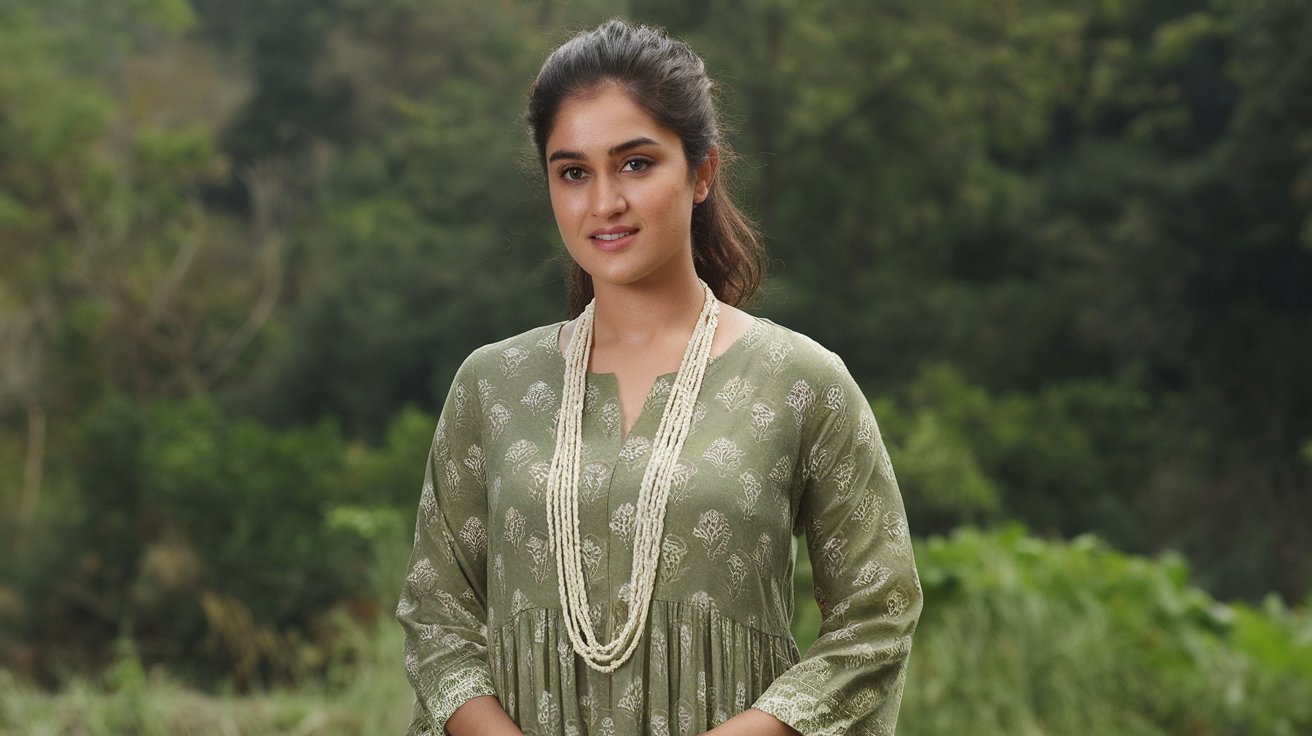
Lara Raj, born Lara Rajagopalan, is an American singer, dancer, and performer who has become internationally recognized as a member of KATSEYE, the global girl group created through HYBE and Geffen Records. Born on November 3, 2005, Lara developed her talents in singing, acting, and dance from a very young age before competing in The Debut: Dream Academy. She finished second in the competition, earning her place in KATSEYE, which officially debuted in 2024.
By 2026, Lara Raj has established herself as one of the most recognizable young performers connected to the new generation of global pop. Her story combines early performance training, South Asian heritage, songwriting and production interests, dance, fashion, and an increasingly visible role in international pop culture. Her journey is particularly notable because she entered the global music industry after years of preparing across several different performance disciplines.
Who Is Lara Raj?
Lara Raj is the professional name of Lara Rajagopalan, an American singer associated with KATSEYE. She was born in the United States and has Tamil heritage through her family. Her early years included time in Texas, where she began developing skills in vocals, acting, and dance. Later, she moved to New York City and continued her education and artistic training there.
Lara’s background is broader than simply being a pop vocalist. Before joining KATSEYE, she accumulated experience in acting, modeling, live performance, musical theater, and dance. IMDb describes her as an actress, singer, and dancer, noting that she had been training as a performer from childhood.
Her early professional experience included an appearance as Sara on NBC’s The Blacklist, commercial work connected with brands including Macy’s and Spotify, and performances at venues such as the House of Blues, Hard Rock Cafe, and American Airlines Center.
Lara Raj’s Early Life and Family Background
Lara began performing when she was very young. According to accounts of her early career, she started taking vocal, acting, and dance lessons around the age of five while growing up in Texas. She performed with the Septien Entertainment Group and gained experience on professional stages before eventually moving to New York.
Her family also played an important role in her musical development. Lara’s older sister, Rhea Raj, is a singer-songwriter and producer, and the sisters have shared an interest in creating music. Vogue India has highlighted their close relationship and their shared connection to South Indian culture and family traditions.
Lara’s heritage has become an important part of her public identity. Her Tamil background has influenced how she approaches representation and fashion, including her use of cultural elements such as the bindi. Her public image has consequently become associated not only with global pop but also with South Asian representation in international entertainment.
Lara Raj Before KATSEYE: Acting, Dancing, and Music
Before becoming a KATSEYE member, Lara had already built a diverse entertainment résumé. She performed in school productions, including roles in The Lion King and Bye Bye Birdie, and became involved with professional dance opportunities. IMDb records her work in acting, live performance, modeling, and television.
Her early screen work included a role in NBC’s The Blacklist. She also appeared in advertising and promotional projects, including Macy’s and Spotify-related work. In 2019, she participated in the launch video for former First Lady Michelle Obama’s Global Girls Alliance campaign, according to biographical accounts of her career.
Lara also developed her skills through dance conventions and professional training. Her earlier experience gave her an important foundation for the highly demanding environment she later encountered at Dream Academy.
This background helps explain why Lara was able to compete as more than a vocalist. Her combination of singing, dancing, acting, and stage experience made her a natural fit for a global girl-group project.
Lara Raj and Dream Academy
Lara’s major breakthrough came through The Debut: Dream Academy, the talent competition created by HYBE and Geffen Records to form a new global girl group. She was selected as one of the contestants and ultimately finished second overall in the competition.
The competition placed aspiring performers from different backgrounds into an intensive training and evaluation environment. For Lara, it represented the transition from years of preparation into the international spotlight.
Her second-place finish secured her position in KATSEYE, alongside Daniela, Manon, Megan, Sophia, and Yoonchae. The group’s formation and training were later documented in the Netflix series Pop Star Academy: KATSEYE, giving audiences additional insight into the demanding process behind the group’s creation.
Lara’s performance during Dream Academy also helped introduce her personality and artistic identity to a global audience. Her journey demonstrated how years of smaller performances and training could eventually lead to a major international opportunity.
Lara Raj and KATSEYE’s Global Career
KATSEYE officially debuted in 2024, marking Lara’s transition into professional group pop music. The group was created as a global act rather than a traditional single-country girl group, bringing together members from different cultural backgrounds.
The group quickly gained attention through releases, performances, music videos, and international promotions. Lara has stood out for her vocals, dancing, stage presence, fashion, and cultural representation.
Her individual profile also continued growing outside group activities. Vogue India profiled Lara as a young South Asian pop artist whose identity and style challenge conventional expectations surrounding Indian representation in mainstream entertainment.
In 2025, KATSEYE’s growing visibility was accompanied by major industry recognition, including the group’s first MTV Video Music Award for “Touch,” according to contemporary coverage.
By 2026, Lara’s career had expanded further. IMDb lists additional music-video work, while contemporary coverage reported her appearance in Baby Keem’s “Birds & the Bees” music video.
Lara Raj’s Representation, Style, and Influence
One of the defining elements of Lara Raj’s public image is representation. As an Indian-American artist performing on a global stage, she has spoken about the importance of South Asian representation in entertainment.
Her fashion and beauty choices have also received substantial attention. Vogue India has described her evolving public image and her willingness to embrace South Asian cultural references while developing a contemporary pop-star aesthetic.
Lara’s influence extends beyond music because young audiences increasingly see pop stars as representatives of culture, identity, fashion, and personal expression. Her visibility provides another example of how global entertainment is becoming more culturally diverse.
Her career also demonstrates the changing nature of the music industry. A performer can now build an audience through social media, competition programs, streaming platforms, music videos, fashion, and live performances rather than relying exclusively on traditional record-industry pathways.
What Is Next for Lara Raj in 2026?
At 20 years old in 2026, Lara Raj remains in the early stages of what could become a long entertainment career. Her work with KATSEYE continues to be the central part of her professional identity, while her background in acting and dance leaves room for other creative opportunities.
Her previous experience demonstrates that she is comfortable across multiple disciplines. She has already worked in television, commercials, stage performance, music videos, dance, and professional music, giving her a broader foundation than many emerging vocalists.
For fans following Lara Raj in 2026, the most important developments are likely to involve KATSEYE’s continued music career, international performances, collaborations, and Lara’s own creative growth. Whether she eventually expands significantly into solo music or acting remains something that should be distinguished from confirmed projects.
What is already clear is that Lara has progressed from a young performer taking lessons and performing locally to an internationally recognized artist working within one of pop music’s ambitious new global groups.
Final Thoughts on Lara Raj
Lara Raj story is one of long-term preparation followed by an international breakthrough. From childhood vocal, acting, and dance training to performances in Texas and New York, she built a foundation across several areas of entertainment before competing on Dream Academy. Her second-place finish ultimately earned her a position in KATSEYE, transforming her career.
Today, Lara is recognized not only for her role in KATSEYE but also for her South Asian heritage, performance ability, distinctive style, and growing influence in global pop culture. Her journey illustrates how international music groups are creating new opportunities for artists whose identities and backgrounds cross traditional entertainment boundaries.
As KATSEYE continues developing in 2026, Lara Raj remains a young artist with significant experience already behind her and considerable room for future growth.
Frequently Asked Questions About Lara Raj
Who is Lara Raj?
Lara Raj, whose birth name is Lara Rajagopalan, is an American singer and performer best known as a member of the global girl group KATSEYE.
When was Lara Raj born?
Lara Raj was born on November 3, 2005.
How old is Lara Raj in 2026?
As of August 2026, Lara Raj is 20 years old.
What group is Lara Raj in?
Lara Raj is a member of KATSEYE, the global girl group formed through HYBE and Geffen Records after The Debut: Dream Academy.
What is Lara Raj’s real name?
Her birth name is Lara Rajagopalan, while she performs professionally as Lara Raj.
What is Lara Raj known for before KATSEYE?
Before KATSEYE, Lara developed experience in singing, dancing, acting, modeling, commercials, stage performances, and television, including an appearance on The Blacklist.
Where did Lara Raj train as a performer?
She began training in Texas during childhood and later continued her education and performing development in New York City.
What place did Lara Raj finish in Dream Academy?
Lara finished second in The Debut: Dream Academy, earning her place in KATSEYE.
Who is Rhea Raj?
Rhea Raj is Lara’s older sister and a singer-songwriter/producer. The sisters have shared a strong interest in creating music and have spoken publicly about their relationship.

Tom Cruise eye color has been a subject of curiosity for decades, particularly because his eyes can appear noticeably different depending on lighting, photography, film color grading, and the surrounding colors. The Hollywood actor is known for his intense gaze and strong eye contact, which IMDb even lists among his recognizable trademarks.
The most commonly reported description of Tom Cruise’s eyes is blue, although photographs and movie scenes can sometimes make them appear blue-gray, greenish, or darker. This variation does not necessarily mean that his natural eye color changes. Instead, lighting conditions, camera settings, makeup, reflections, and image processing can significantly influence how eye color appears.
Born Thomas Cruise Mapother IV on July 3, 1962, in Syracuse, New York, Cruise became one of Hollywood’s most recognizable actors through films including Top Gun, Rain Man, Jerry Maguire, and the Mission: Impossible franchise. His distinctive appearance, including his eyes, has contributed to his enduring screen presence.
What Is Tom Cruise’s Eye Color?
The simplest answer to the question “What color are Tom Cruise’s eyes?” is blue.
Public descriptions and commonly circulated celebrity-reference information generally identify Cruise as having blue eyes. However, photographs do not always make that color appear identical. In some close-up images, his eyes can look gray-blue, while particular lighting can bring out darker or slightly greenish tones.
This is normal for light-colored eyes. Blue eyes can reflect surrounding light and colors, making them appear brighter, darker, grayer, or more saturated depending on the environment. A photograph taken outdoors in strong daylight can therefore look quite different from a photograph taken indoors under warm artificial lighting.
There is also a difference between natural eye color and the color perceived in a photograph. Digital cameras, lenses, exposure settings, white balance, and post-production can all influence the final appearance.
Therefore, when discussing Tom Cruise’s eye color, blue is the best general description, while variations such as blue-gray describe how his eyes may appear under particular visual conditions.
Why Tom Cruise’s Eyes Can Look Different in Photos
One reason people search for Tom Cruise eye color is that his eyes can look surprisingly different from one photograph to another. Several factors explain this.
Lighting is one of the biggest influences. Natural daylight can make light-colored eyes look brighter and more vivid. In contrast, low or warm lighting can make them appear darker or more muted.
The color of clothing also matters. A blue shirt or jacket may visually reinforce blue tones, while green, gray, or darker clothing can make other subtle shades appear more noticeable.
Photography and camera technology are equally important. Professional photographers often use different exposure levels, lenses, lighting setups, and color correction. Movie productions can also deliberately alter the visual appearance of scenes through cinematography and color grading.
Reflections can create another effect. Eyes naturally reflect nearby light sources, windows, screens, and studio equipment. A bright reflection in the iris can make the eye appear lighter than it would under ordinary conditions.
For this reason, a single photograph should not be used as definitive evidence of someone’s exact eye color.
Tom Cruise’s Eyes in Movies
Tom Cruise’s eyes have been particularly noticeable throughout his film career because he frequently plays characters who rely on intense facial expressions and direct eye contact.
IMDb’s biography specifically identifies “intense eye contact” among Cruise’s trademarks. This is relevant because the apparent color of an actor’s eyes is often influenced by the way cinematographers photograph their face.
In films such as Top Gun, Jerry Maguire, Minority Report, and the Mission: Impossible series, close-up shots can make Cruise’s eyes especially prominent. IMDb lists Top Gun, Mission: Impossible II, Minority Report, and Jerry Maguire among his notable film credits.
Movie lighting is rarely designed simply to reproduce natural daylight. Directors and cinematographers may use warm, cool, high-contrast, or atmospheric lighting to create a particular mood. Consequently, Cruise’s eyes can appear brighter blue, gray-blue, or darker depending on the scene.
This is one reason screenshots from different movies can create the impression that his eye color has changed.
Are Tom Cruise’s Eyes Blue, Gray, or Hazel?
The debate over whether Tom Cruise has blue, gray, or hazel eyes largely comes from differences in photographic appearance.
Blue is the most appropriate broad classification. Gray-blue can describe the way his eyes appear under certain lighting conditions, but that does not necessarily mean that his natural eye color should be classified as gray.
Hazel eyes generally contain a more obvious mixture of green, brown, gold, or amber pigmentation. Describing Cruise’s eyes as hazel based solely on a photograph can therefore be misleading.
The human eye also does not always look like a single flat color. The iris contains patterns, rings, and variations that can become more visible in high-resolution photographs. These details can cause people to perceive multiple shades within what is broadly categorized as blue.
Therefore, the most accurate practical description is blue eyes that may appear blue-gray or somewhat different under varying lighting and photographic conditions.
How Tom Cruise’s Eye Color Contributes to His Appearance
Eye color is only one part of a person’s appearance, but in cinema it can become particularly noticeable. Cruise has maintained a recognizable screen image for decades, and his facial expressions, smile, and intense eye contact are frequently associated with his acting style. IMDb lists his beaming smile and intense eye contact among his trademarks.
His eye color also contrasts effectively with the dark hair and strong facial features that have characterized many of his on-screen appearances. In close-up shots, the lighter iris can draw attention toward his eyes and enhance emotional expressions.
This can be particularly effective in action films, where a character may need to communicate determination, urgency, fear, or confidence without dialogue.
The result is an appearance that audiences have recognized across multiple decades and generations.
Tom Cruise’s Career and the Familiar Face Behind the Eyes
Understanding why people are interested in Tom Cruise eye color also means recognizing the actor’s enormous cultural visibility. Cruise was born in 1962 and began his film career with Endless Love in 1981. He rose to major stardom through films such as Risky Business and Top Gun, followed by acclaimed performances in Born on the Fourth of July, Jerry Maguire, and Magnolia.
His career subsequently became closely associated with the Mission: Impossible franchise. IMDb currently lists Cruise as an actor, producer, and director, with numerous film credits extending across more than four decades.
His continued visibility means that close-up photographs of Cruise remain widely circulated, which naturally leads fans to notice details such as eye color, facial features, hairstyle, and changes in appearance over time.
Because Cruise has appeared under countless lighting conditions throughout his career, there is an unusually large visual record showing how his eyes can look in different environments.
Final Answer: What Color Are Tom Cruise’s Eyes?
The best-supported general description is blue. His eyes can sometimes appear gray-blue, darker, or slightly different in tone, but these variations are usually explained by lighting, photography, reflections, clothing, cinematography, and color grading rather than a fundamental change in natural eye color.
Tom Cruise’s eyes are also particularly memorable because of his well-known intense eye contact and expressive screen presence. His decades-long career has placed his face in an enormous variety of photographic and cinematic environments, making differences in perceived eye color especially noticeable.
Ultimately, Tom Cruise has blue eyes, with the exact appearance varying according to the conditions in which they are viewed.
Frequently Asked Questions About Tom Cruise’s Eye Color
What color are Tom Cruise’s eyes?
Tom Cruise is generally described as having blue eyes. They can sometimes appear gray-blue or darker depending on lighting and photography.
Does Tom Cruise have blue or green eyes?
His eyes are generally classified as blue, although certain photographs may produce greenish or grayish visual impressions.
Why do Tom Cruise’s eyes look different in photographs?
Lighting, camera exposure, reflections, clothing colors, digital processing, and movie color grading can all change the way light-colored eyes appear.
Are Tom Cruise’s eyes hazel?
They are generally described as blue rather than hazel. A photograph may show different shades, but that does not necessarily make the natural eye color hazel.
Do Tom Cruise’s eyes change color?
There is no need to assume that they physically change color. Lighting and photographic conditions can make blue eyes appear substantially different.
Why are Tom Cruise’s eyes so noticeable?
His eyes are prominent partly because of his intense eye contact and expressive acting style. IMDb lists intense eye contact among his recognizable trademarks.
What is Tom Cruise’s real name?
His birth name is Thomas Cruise Mapother IV. He was born July 3, 1962, in Syracuse, New York.


 Lifestyle2 months ago
Selena Spice: Biography, Career, Age, Height, Social Media, and Rising Popularity
- Business2 months ago
What Interests You Most About Opportunities at Coke Florida
- Blog2 months ago
Truck Accident in Houston: Causes, Legal Options, Safety Tips, and Everything You Need to Know
- Celebrity2 months ago
Manuel Mendes: Biography, Career, Achievements, Legacy, and Lasting Influence
- Celebrity2 months ago
Kendra Sunde: Biography, Career, Leadership, Achievements, and Lasting Impact
- Tech2 months ago
Microsoft Ink: The Complete 2026 Guide to Digital Pen Technology, AI Productivity, and Creative Workflows
- Tech2 months ago
//TurboGeek.org: The Complete 2026 Guide to Technology, AI Innovation, Digital Resources, and Creative Content Tools
- Blog2 months ago
Spotted Rothley: A Complete Guide to the Village, Its Wildlife, History, and Hidden Gems