Blog
What Does ISO Mean in Text? Complete Texting, Social Media, and Online Slang Guide 2026


When we see ISO in a text message, social media post, online marketplace listing, or group chat, its meaning can vary depending on the situation. Acronyms are widely used in digital communication because they save time, but the same three letters can represent completely different phrases. This is why understanding the context is essential when asking, “What does ISO mean in text?”
In casual online communication, ISO most commonly means “In Search Of.” People use it when they are looking for a specific item, service, person, recommendation, or piece of information. For example, someone may write “ISO a used bike”, meaning they are in search of a used bike.
However, ISO has other meanings outside texting, including references to the International Organization for Standardization, camera sensitivity settings, and technical computer-file formats. The intended meaning depends on where the abbreviation appears.
This complete 2026 guide explains what ISO means in text, how people use it on social media and marketplaces, common examples, alternative meanings, and how to identify the correct definition from context.
What Does ISO Mean in Text Messages?
The most common meaning of ISO in texting and online posts is “In Search Of.” It is used when someone wants to find something and is asking others for help, suggestions, or offers.
For example:
“ISO a reliable babysitter.”
This means:
“I am in search of a reliable babysitter.”
Another example is:
“ISO tickets for Saturday’s concert.”
Here, the person is looking for tickets and hopes someone can help them find available options.
The abbreviation is especially common because it quickly communicates a request. Instead of writing an entire sentence explaining that someone is searching for an item, ISO immediately tells readers that the post is a wanted request.
Common examples include:
- ISO a used laptop
- ISO recommendations for a good restaurant
- ISO a pet-friendly apartment
- ISO a photographer for an event
- ISO a replacement part
- ISO someone to repair a phone
In each example, ISO means “In Search Of.” The words following the abbreviation identify what the person wants to find.
ISO Meaning on Social Media and Online Marketplaces
The abbreviation ISO is particularly popular on Facebook groups, community pages, classified listings, buy-and-sell groups, and online marketplaces. It helps people create short and direct posts when searching for something.
For instance:
“ISO: dining table under $200.”
The person is saying they are in search of a dining table within a specific budget.
Another example is:
“ISO recommendations for a trustworthy mechanic.”
This means the writer wants suggestions for a mechanic rather than necessarily looking for a specific person.
On social media, ISO posts can cover almost anything, including:
Products: “ISO a second-hand desk.”
Services: “ISO a house cleaner.”
Recommendations: “ISO the best coffee shop nearby.”
Information: “ISO advice about moving.”
People: “ISO a tutor for mathematics.”
The meaning is usually easy to identify because ISO appears at the beginning of a request. The abbreviation acts almost like a heading that tells readers, “I am looking for something.”
This usage is informal, so it is most suitable for casual online spaces. In a formal email or professional document, writing “I am looking for” or “We are seeking” may be clearer.
How Is ISO Used Correctly in a Text?
Using ISO is simple when we mean “In Search Of.” We usually place the abbreviation before the item, service, or information we want to find.
A basic format is:
ISO + what we are searching for
Examples include:
ISO a good plumber.
ISO recommendations for a new phone.
ISO a room to rent.
ISO someone who can repair a laptop.
ISO affordable furniture.
We can also add details that help people provide better answers:
ISO a used desk in good condition.
ISO a photographer available this weekend.
ISO a quiet hotel near the city center.
The more useful details we include, the easier it becomes for other people to understand the request.
In text messages between close friends, ISO may be less common than simply saying “I’m looking for” because the abbreviation is especially useful when writing public posts that need to be short and easy to scan.
We should also consider the audience. Not everyone understands online abbreviations, so spelling out the phrase may be the better choice when clarity is important.
What Are Other Meanings of ISO?
Although “In Search Of” is the most common meaning of ISO in casual online text, the acronym has several other important definitions.
One well-known meaning relates to the International Organization for Standardization, an international standards organization associated with technical and industry standards. In this context, ISO is not texting slang.
In photography, ISO refers to a camera setting related to how strongly the camera system responds to available light. A higher ISO setting can help capture images in darker conditions, although it may also affect image quality.
In computing, an ISO file is a type of disk-image file that can contain an exact copy of data from an optical disc or other structured media format.
Therefore, if someone writes:
“Increase the ISO before taking the photo.”
they are discussing photography, not searching for something.
If someone says:
“Download the ISO file.”
they are referring to a computer disk image, not “In Search Of.”
This is why context is crucial. The same letters can have completely unrelated meanings.
How Do We Know Which ISO Meaning Is Intended?
The easiest way to determine what ISO means in a text is to examine the complete sentence.
If ISO appears before an item or request, it probably means “In Search Of.”
For example:
“ISO a babysitter for Friday.”
The meaning is clearly “In Search Of.”
If the surrounding conversation discusses cameras, lighting, exposure, or photographs, ISO probably refers to the camera sensitivity setting.
If the message discusses computers, operating systems, software installation, or disk images, ISO may refer to an ISO file.
If ISO appears in a technical, manufacturing, or business context involving standards or certification, it may refer to the International Organization for Standardization.
A simple way to identify the correct meaning is to check:
What is the topic?
Where did the abbreviation appear?
What words come immediately after ISO?
Is the message about looking for something, photography, technology, or standards?
For ordinary text conversations and social-media requests, “In Search Of” is usually the most likely meaning.
ISO vs. Similar Texting Abbreviations
ISO can be confused with other short online abbreviations, especially when people quickly scan messages.
A common related abbreviation is LF, which means “Looking For.” In many online communities, LF and ISO can communicate nearly the same idea.
For example:
ISO a roommate.
and:
LF a roommate.
Both indicate that the writer is searching for someone.
Another phrase is WTB, meaning “Want To Buy.” This is more specific because it usually indicates that someone intends to purchase an item.
For example:
WTB a used gaming chair.
This means the person wants to buy one.
By comparison:
ISO a used gaming chair.
This simply means the person is searching for one. They may want to buy it, receive recommendations, or locate where it is available.
These abbreviations have similar purposes, but they are not always interchangeable. ISO is broader, while WTB specifically focuses on buying.
Why Do People Use ISO Instead of Writing “In Search Of”?
The main reason is speed and convenience. Online groups often contain hundreds or thousands of posts, so a short abbreviation makes requests easy to create and recognize.
When readers see ISO at the beginning of a post, they immediately know that the writer is searching for something. This makes community groups and marketplace discussions easier to scan.
For example:
ISO: Affordable bookshelf, good condition.
This is faster and more direct than writing a long introduction before explaining what is needed.
ISO also helps organize informal communication. In busy buy-and-sell groups, members may use common abbreviations such as ISO, WTB, and LF to make the purpose of each post immediately clear.
However, abbreviations should be used carefully. If the audience is unfamiliar with online slang, the shorter wording may create confusion instead of saving time.
Common Misunderstandings About ISO in Text
One common mistake is assuming that ISO always means “In Search Of.” While this is the most common texting and marketplace meaning, it is not universal.
Another mistake is confusing ISO with photography ISO. The sentence usually makes the difference obvious. A post saying “ISO a new camera” means someone is searching for a camera, while “Use ISO 800” refers to a camera setting.
People may also confuse ISO with an ISO file used in computing. Again, the surrounding topic provides the answer.
Finally, some users assume every abbreviation is understood by everyone. This is not always true. If we are writing for a broad audience, spelling out “In Search Of” can make the message clearer.
Conclusion: What Does ISO Mean in Text?
So, what does ISO mean in text? In most casual messages, social-media posts, community groups, and online marketplace listings, ISO means “In Search Of.” It tells readers that someone is looking for a particular item, service, recommendation, person, or piece of information.
For example:
“ISO a reliable tutor.”
means:
“I am in search of a reliable tutor.”
However, ISO can have other meanings in photography, technology, and international standards. The correct interpretation depends on the context.
The easiest rule to remember is this: when ISO appears at the beginning of a request followed by something the writer wants to find, it almost always means “In Search Of.” Reading the full sentence and considering the topic helps ensure that the abbreviation is interpreted correctly.
Frequently Asked Questions About ISO Meaning
What does ISO mean in texting?
In casual texting and online posts, ISO usually means “In Search Of.”
What does ISO mean on Facebook?
In Facebook groups and marketplace-style posts, ISO commonly means “In Search Of” and indicates that someone is looking for an item, service, recommendation, or other resource.
How do you use ISO in a sentence?
A common format is “ISO + what you are searching for.” For example: “ISO a used desk in good condition.”
Does ISO mean “looking for”?
Yes. In many online contexts, ISO (“In Search Of”) has a similar meaning to “Looking For.”
What does ISO mean in photography?
In photography, ISO refers to a camera setting related to light sensitivity and exposure, which is completely different from the texting meaning.
What does an ISO file mean?
An ISO file is a type of disk-image file used in computing. Its meaning is unrelated to the “In Search Of” abbreviation used in text messages.
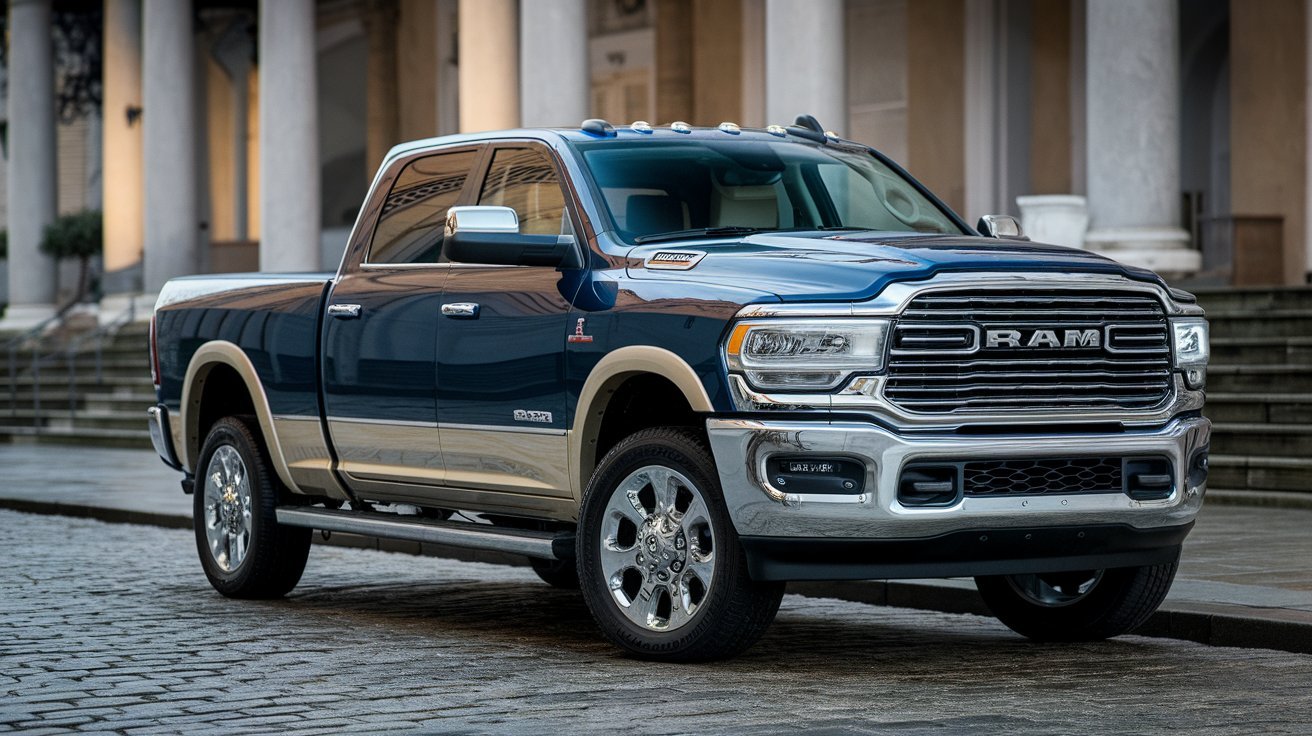
The RAM 2500 Limited stands at the top of the heavy-duty pickup truck market, offering a rare combination of luxury, towing capability, advanced technology, and rugged durability. Designed for drivers who demand premium comfort without sacrificing work-ready performance, the RAM 2500 Limited has become one of the most respected trucks in North America.
Whether used for towing large trailers, hauling equipment, long-distance travel, or everyday driving, the RAM 2500 Limited delivers exceptional capability. Its powerful engine options, upscale interior, advanced safety systems, and impressive towing capacity make it a standout choice among heavy-duty trucks in 2026.
What Makes the RAM 2500 Limited Special?
The RAM 2500 Limited serves as one of the highest trim levels in the RAM Heavy Duty lineup. Unlike entry-level work trucks, the Limited trim focuses on providing a luxury experience while retaining the strength and reliability expected from a heavy-duty pickup.
Key highlights include:
- Premium leather interior
- Advanced towing technology
- Massive touchscreen infotainment system
- Powerful engine options
- Premium wood and metal accents
- High towing and payload capacities
- Advanced driver assistance features
- Distinctive exterior styling
The Limited trim appeals to business owners, contractors, RV enthusiasts, and truck buyers who want top-tier comfort combined with serious capability.
Powerful Engine Options and Performance
One of the biggest strengths of the RAM 2500 Limited is its engine lineup.
6.4-Liter HEMI V8 Gas Engine
The standard engine for many RAM 2500 Limited models is the legendary 6.4-liter HEMI V8.
Key specifications include:
- 405 horsepower
- 429 lb-ft of torque
- 8-speed automatic transmission
- Strong towing performance
- Excellent durability
This engine provides impressive acceleration for a heavy-duty truck while maintaining dependable daily usability.
6.7-Liter Cummins Turbo Diesel
For maximum towing capability, many buyers choose the available 6.7-liter Cummins Turbo Diesel engine.
Benefits include:
- Outstanding low-end torque
- Exceptional towing performance
- Long-term reliability
- Improved highway efficiency
- Heavy-duty work capability
The Cummins engine has earned a strong reputation among truck enthusiasts for its durability and towing power.
Whether hauling construction equipment, horse trailers, boats, or large RVs, the RAM 2500 Limited offers more than enough capability for demanding tasks.
Exceptional Towing and Payload Capacity
Heavy-duty truck buyers often prioritize towing performance, and the RAM 2500 Limited excels in this area.
Depending on configuration and engine choice, towing capacities can exceed:
- 19,000 pounds with diesel configurations
- Substantial payload capability
- Advanced trailer control systems
- Integrated trailer brake controller
- Trailer reverse guidance technology
The truck’s heavy-duty frame and suspension system help maintain stability while towing large loads.
For RV owners and commercial users, this capability makes the RAM 2500 Limited a practical and dependable choice.
Luxury Interior and Premium Comfort
The interior of the RAM 2500 Limited is one of the primary reasons buyers choose this trim level.
Inside the cabin, drivers will find:
- Premium leather seating
- Real wood accents
- High-quality metal trim
- Heated and ventilated seats
- Heated rear seats
- Power-adjustable seating
- Premium stitching throughout the cabin
- Spacious passenger accommodations
The cabin feels more like a luxury SUV than a traditional work truck.
Long-distance travel becomes significantly more comfortable thanks to supportive seating, generous legroom, and advanced climate control systems.
Passengers in both the front and rear seats benefit from a refined environment designed to reduce fatigue during extended journeys.
Technology and Infotainment Features
Technology plays a major role in the RAM 2500 Limited experience.
The truck includes some of the most advanced technology available in the heavy-duty pickup segment.
Key technology features include:
- Large Uconnect touchscreen system
- Apple CarPlay integration
- Android Auto compatibility
- Wireless smartphone connectivity
- Premium Harman Kardon audio system
- Navigation system
- Digital driver information display
- Multiple USB charging ports
- Wireless charging pad
The infotainment system is designed for ease of use while providing quick access to entertainment, navigation, vehicle settings, and towing information.
Drivers can monitor trailer performance, navigation routes, and vehicle diagnostics through intuitive digital displays.
Advanced Safety and Driver Assistance Systems
Modern truck buyers expect advanced safety features, and the RAM 2500 Limited delivers a comprehensive package.
Important safety technologies include:
- Adaptive cruise control
- Forward collision warning
- Automatic emergency braking
- Blind-spot monitoring
- Lane departure warning
- Rear cross-path detection
- 360-degree camera system
- Parking assistance technology
These systems help improve driver awareness and enhance safety during daily driving and towing operations.
The advanced camera systems are particularly useful when maneuvering trailers or navigating tight parking areas.
Exterior Styling and Road Presence
The RAM 2500 Limited features a bold and upscale exterior design that distinguishes it from lower trim levels.
Exterior highlights include:
- Premium chrome accents
- Signature RAM grille
- LED headlights and taillights
- Large wheel options
- Power running boards
- Distinctive Limited badging
- Premium paint selections
Its commanding size and sophisticated styling create an impressive presence on the road.
Whether arriving at a job site, business meeting, or campground, the RAM 2500 Limited projects confidence and capability.
Why the RAM 2500 Limited Stands Out in 2026
The heavy-duty truck segment is highly competitive, yet the RAM 2500 Limited continues to attract buyers because of its unique balance of luxury and performance.
Major advantages include:
- Outstanding towing capability
- Powerful engine choices
- Luxury-grade interior
- Advanced technology
- Comfortable ride quality
- Premium materials
- Strong resale value
- Versatile work and recreation capabilities
Few trucks successfully combine heavy-duty functionality with genuine luxury, making the RAM 2500 Limited a standout option.
Conclusion
The RAM 2500 Limited remains one of the most impressive heavy-duty pickup trucks available in 2026. Combining premium luxury, exceptional towing power, advanced safety systems, modern technology, and proven durability, it delivers a complete package for both work and personal use.
Whether equipped with the powerful 6.4-liter HEMI V8 or the legendary 6.7-liter Cummins Turbo Diesel, the RAM 2500 Limited offers the performance needed for demanding jobs while providing the comfort and sophistication expected from a premium vehicle. For drivers seeking a truck that excels in capability without compromising luxury, the RAM 2500 Limited continues to set the standard in the heavy-duty pickup market.


Planning an event can quickly become expensive, especially when venue costs, catering, decorations, entertainment, equipment, invitations, transportation, and unexpected expenses begin adding up. www.thriftyevents.net is positioned around a simple idea: memorable events do not have to require an enormous budget. The website focuses on smart event planning, budgeting tips, DIY ideas, affordable solutions, and practical planning advice designed to help people create enjoyable events while controlling costs. Its current homepage describes the platform as a resource for planning small gatherings, corporate events, and larger celebrations without overspending.
The site’s stated mission is to provide practical, creative, and resourceful advice for event planning, DIY projects, and budgeting. Its goal is to help readers make smarter decisions and obtain better value from their event spending. In this 2026 guide, we explore what www.thriftyevents.net offers, how its content can help event planners, the major categories to explore, useful budgeting strategies, DIY approaches, and the best way to use the website as part of a complete event-planning process.
What Is www.thriftyevents.net?
www.thriftyevents.net is an event-planning website focused primarily on helping readers organize celebrations and gatherings while keeping spending under control. The homepage currently highlights three core areas: Budgeting Tips, DIY Ideas, and Event Planning. These categories provide a straightforward structure for visitors who want to learn how to reduce costs without automatically reducing the quality of an event.
The site’s approach is not simply about choosing the cheapest available option. Instead, its content emphasizes making thoughtful decisions about where money should be spent and where savings can be achieved through planning, creativity, negotiation, or do-it-yourself solutions.
The website’s About page explains that its concept developed from the challenges of organizing events on tight budgets. According to the site’s stated mission, the objective is to show readers how thoughtful planning can produce successful events without unnecessary overspending.
Budgeting Tips for Smarter Events
One of the most important areas of www.thriftyevents.net is budgeting. An event budget gives planners a clear picture of what they can afford before commitments are made. Without a budget, it is easy to spend heavily on one category and discover later that there is not enough money for essential services.
The website’s current budgeting section contains content covering practical financial decisions and event-related spending. Its broader planning philosophy emphasizes stretching available funds rather than simply cutting everything.
A useful approach is to divide the total budget into categories such as venue, food and drinks, decorations, entertainment, equipment, marketing, transportation, staffing, and contingency expenses. Planners can then identify which categories directly affect the guest experience and prioritize them.
For example, an important corporate presentation may require better audiovisual equipment, while a small family gathering may benefit more from food and comfortable seating. The principle is simple: spend more where guests will notice the difference and save where they will not.
DIY Ideas and Affordable Creativity
The DIY Ideas section is another important part of www.thriftyevents.net. DIY does not necessarily mean making every part of an event from scratch. Instead, it can involve identifying specific areas where creativity can replace expensive professional services or unnecessary purchases.
Decorations are an obvious example. Planners can create table decorations, signs, photo backdrops, centerpieces, invitations, or themed displays using inexpensive materials. Reusable decorations can also provide better long-term value because they can be adapted for future occasions.
The official homepage specifically promotes creative DIY ideas alongside budgeting and event-planning advice. The advantage of this approach is that personalization and affordability can work together. A handmade element can sometimes feel more distinctive than an expensive mass-produced decoration.
However, we should avoid turning DIY into a source of unnecessary stress. If a task requires specialist equipment, extensive time, or technical knowledge, renting or hiring a professional may ultimately provide better value.
Event Planning Resources for 2026
The Event Planning category on www.thriftyevents.net contains a wide range of current articles covering practical event-planning questions. Recent topics include outdoor and waterfront event preparation, PA system rentals, budget-friendly events, event posts, and planning strategies.
The site’s content also discusses the importance of creating an organized event-planning document. Such a document can contain timelines, budgets, vendor contacts, responsibilities, venue information, marketing plans, and contingency arrangements.
This is especially useful because successful events involve many moving parts. A planner may need to coordinate the venue, caterer, entertainment, transportation, equipment, guests, speakers, decorations, and staff simultaneously.
A central planning document creates a single source of information. It also makes it easier to identify deadlines and responsibilities, reducing the possibility that an important task will be forgotten.
How to Use www.thriftyevents.net Effectively
To get the most value from www.thriftyevents.net, we recommend starting with the event’s objective rather than immediately searching for decorations or vendors. Decide what type of event you are organizing, how many people are attending, what experience you want to create, and how much you can realistically spend.
Next, use the site’s budgeting content to establish spending priorities. After that, explore the DIY section for areas where you can save money through creativity. Finally, use the event-planning articles to develop timelines, checklists, vendor questions, and contingency plans.
The website also publishes guidance about creating effective posts for its audience. That guide recommends clear headlines, SEO-friendly organization, useful visuals, actionable information, and strong calls to action. This indicates that the platform is not only useful to event attendees or planners but can also be relevant to writers and contributors interested in creating event-related content.
Affordable Event Planning Without Sacrificing Quality
Being thrifty does not mean making an event look cheap. The strongest budget-friendly event strategy is based on prioritization. Instead of reducing every expense equally, planners should determine which elements matter most to guests and protect those areas.
Food quality, venue comfort, accessibility, entertainment, or audiovisual performance may be more important for one event than another. Meanwhile, expensive custom decorations or unnecessary extras might provide little additional value.
The site’s 2026 content repeatedly emphasizes smart trade-offs, clear budgets, reuse, vendor negotiation, and practical planning. These ideas are particularly useful when prices are uncertain because they encourage planners to make decisions based on priorities rather than impulse.
Sustainability can also support a thrifty strategy. Reusable décor, local suppliers, reduced waste, and carefully planned food quantities can potentially reduce costs while producing a more responsible event. Recent ThriftyEvents content specifically connects sustainable celebrations with cost-conscious planning.
Why www.thriftyevents.net Matters in 2026
In 2026, event planners face a balancing act between guest expectations and financial limitations. People want events to feel memorable, professional, and personalized, but budgets do not always increase at the same pace as costs.
This is where a resource such as www.thriftyevents.net can be useful. Its emphasis on budgeting, DIY creativity, event organization, and practical decision-making provides a framework for approaching events more strategically.
The website’s stated goal is to become a resource for people planning everything from small gatherings to large corporate events, with an emphasis on confidence, smart decisions, and value for money.
Rather than treating affordability as a limitation, the site’s philosophy encourages planners to see a budget as a planning tool. A clear spending limit can actually make decision-making easier because it forces us to determine what matters most.
Conclusion
www.thriftyevents.net is a 2026 resource centered on budget-conscious event planning, DIY creativity, budgeting strategies, and practical event advice. Its current website organizes content around Budgeting Tips, DIY Ideas, and Event Planning, while its About page emphasizes helping readers create successful events without unnecessary spending.
The most effective way to use the platform is to combine its ideas rather than relying on one category alone. Start with a realistic budget, establish priorities, explore DIY opportunities, organize tasks with a timeline, and prepare backup plans for unexpected problems.
Ultimately, successful thrifty event planning is not about spending as little as possible. It is about spending intentionally. When planners understand their goals, prioritize the guest experience, compare options, reduce waste, and use creativity strategically, they can create events that feel memorable without allowing costs to get out of control.
Frequently Asked Questions About www.thriftyevents.net
What is www.thriftyevents.net?
www.thriftyevents.net is a website focused on affordable event planning, including budgeting tips, DIY ideas, and event-planning advice.
What type of events does ThriftyEvents cover?
The site says its advice can apply to small gatherings, corporate events, and large celebrations, making its content relevant to different types of planners.
Can www.thriftyevents.net help with event budgeting?
Yes. Budgeting Tips is one of the site’s primary categories, and its articles discuss ways to plan spending and avoid unnecessary expenses.
Does ThriftyEvents provide DIY ideas?
Yes. The website specifically features a DIY Ideas category focused on creative approaches to event preparation and decoration.
What is the main idea behind ThriftyEvents?
The central idea is that great events do not have to require excessive spending. The site encourages practical planning, creative solutions, budgeting, and smart purchasing decisions.
Is www.thriftyevents.net useful for event planners in 2026?
It can be useful as an informational planning resource, particularly for people looking for budget-conscious ideas, DIY approaches, and general event-planning guidance. As with any online resource, specific prices, vendors, availability, and other time-sensitive details should be independently verified before making financial commitments.


 Business2 months ago
What Interests You Most About Opportunities at Coke Florida
- Lifestyle3 months ago
Selena Spice: Biography, Career, Age, Height, Social Media, and Rising Popularity
- Celebrity3 months ago
Michelle Schumacher: Biography, Career, Family, Movies, and Creative Journey
- Blog3 months ago
Truck Accident in Houston: Causes, Legal Options, Safety Tips, and Everything You Need to Know
- Tech3 months ago
Microsoft Ink: The Complete 2026 Guide to Digital Pen Technology, AI Productivity, and Creative Workflows
- Celebrity3 months ago
Manuel Mendes: Biography, Career, Achievements, Legacy, and Lasting Influence
- Celebrity3 months ago
Kendra Sunde: Biography, Career, Leadership, Achievements, and Lasting Impact
- Blog3 months ago
Spotted Rothley: A Complete Guide to the Village, Its Wildlife, History, and Hidden Gems