
Blog
Spotted Rothley: A Complete Guide to the Village, Its Wildlife, History, and Hidden Gems


If you’ve recently searched for Spotted Rothley, you’re not alone. The phrase has been gaining attention online, leaving many people wondering what it actually means. While “Spotted Rothley” isn’t an official place name, it is commonly used by locals, bloggers, and social media users to describe interesting sightings, attractions, wildlife, community events, and hidden discoveries in the beautiful village of Rothley, Leicestershire.
Nestled in the heart of England, Rothley is one of Leicestershire’s most charming villages. Known for its rich history, peaceful countryside, heritage buildings, and welcoming community, the village attracts visitors looking for a slower pace of life while remaining close to Leicester and Loughborough.
This guide explores everything associated with Spotted Rothley, including local landmarks, wildlife, historical attractions, community life, outdoor activities, and the reasons this picturesque village continues to capture people’s attention.
What Does Spotted Rothley Mean?
The term Spotted Rothley generally refers to interesting things seen, shared, or discovered around Rothley. It has become a popular phrase on community pages where residents post updates about local wildlife, lost pets, road conditions, historical discoveries, beautiful scenery, and village events.
Unlike an official tourist brand, Spotted Rothley represents the everyday experiences that make village life special.
Common topics shared under the phrase include:
- Rare birds and wildlife
- Historic buildings
- Community celebrations
- Local businesses
- Beautiful countryside walks
- Seasonal photography
- Village news
- Hidden landmarks
The phrase highlights how local communities connect through shared experiences while showcasing everything that makes Rothley unique.
The Rich History Behind Rothley
One of the reasons people become interested in Spotted Rothley is the village’s fascinating history.
Rothley dates back hundreds of years and appears in historical records stretching back to medieval England. Over time, it developed into a thriving agricultural village while preserving much of its traditional character.
Historic stone cottages line quiet streets, giving visitors the feeling of stepping back in time. Many buildings have retained their original architecture, adding to the village’s timeless charm.
One of Rothley’s most famous historical landmarks is Rothley Court, a beautiful manor house with connections to the Knights Templar. Today, it remains an important symbol of the village’s medieval heritage.
Walking through Rothley reveals centuries of English history preserved in churches, bridges, old inns, and carefully maintained buildings.
This historical backdrop is one reason why photographs and discoveries frequently appear under the Spotted Rothley name.
Wildlife and Nature Often Featured in Spotted Rothley
Nature lovers are especially drawn to Spotted Rothley because the surrounding countryside supports a surprising variety of wildlife.
Throughout the seasons, residents regularly report sightings of:
- Kingfishers
- Herons
- Barn owls
- Foxes
- Badgers
- Rabbits
- Deer
- Hedgehogs
- Buzzards
- Swans
The nearby River Soar provides an ideal habitat for water birds, while surrounding fields attract numerous species throughout the year.
Spring brings colorful wildflowers and nesting birds.
Summer fills local meadows with butterflies and bees.
Autumn transforms the landscape into vibrant shades of gold, orange, and red.
Winter attracts migratory birds while frost-covered landscapes provide stunning photography opportunities.
These natural attractions explain why wildlife photography is one of the most popular themes associated with Spotted Rothley.
Top Attractions to Explore Around Rothley
Visitors exploring Spotted Rothley often discover several attractions worth adding to their itinerary.
Rothley Court
Originally linked to the Knights Templar, this historic property combines medieval architecture with beautiful gardens.
Rothley Parish Church
The village church stands as one of Rothley’s oldest surviving landmarks, featuring remarkable architecture and centuries of local history.
Great Central Railway
One of the region’s biggest attractions, the heritage railway allows visitors to experience beautifully restored steam trains traveling through the Leicestershire countryside.
Families especially enjoy seasonal events hosted throughout the year.
River Soar Walks
Scenic walking routes follow the peaceful river, offering excellent opportunities for photography, birdwatching, and relaxing outdoor exercise.
Village Centre
Independent shops, cafés, traditional pubs, and local businesses contribute to Rothley’s welcoming atmosphere.
Every corner offers opportunities for discovering something new—exactly the type of experience people describe as “Spotted Rothley.”
Why Spotted Rothley Appeals to Photographers
Photography has become closely associated with Spotted Rothley because nearly every season offers unique visual opportunities.
Popular photography subjects include:
- Historic stone cottages
- Sunrise over open fields
- Steam trains
- Wildlife
- Village churches
- Autumn trees
- Snow-covered streets
- River reflections
- Seasonal flowers
Golden hour transforms the village into an especially beautiful destination, with warm light highlighting centuries-old buildings and surrounding countryside.
Even amateur photographers frequently capture impressive landscapes thanks to Rothley’s naturally picturesque setting.
Social media has further increased the popularity of Spotted Rothley by encouraging residents to share their best photographs throughout the year.
Community Spirit That Makes Rothley Special
One of Rothley’s greatest strengths is its strong community.
The phrase Spotted Rothley often includes updates about:
- Charity events
- Village fairs
- School activities
- Local markets
- Fundraising campaigns
- Volunteer projects
- Holiday celebrations
- Community improvements
Residents actively support local businesses while preserving the welcoming atmosphere that attracts visitors.
This sense of belonging creates a village where neighbors know one another and community involvement remains an important part of everyday life.
For newcomers, Spotted Rothley serves as a window into village life, helping people stay informed about local news and events.
Things to Do When Visiting Rothley
Whether visiting for a few hours or spending an entire weekend, there are plenty of enjoyable activities.
Take a Countryside Walk
Numerous public footpaths lead through open farmland, riverside trails, and peaceful woodland.
Enjoy Traditional English Pubs
Historic pubs provide excellent food while maintaining the welcoming atmosphere expected from an English village.
Explore Local Cafés
Independent cafés offer homemade cakes, fresh coffee, and relaxing spaces to unwind after sightseeing.
Visit Nearby Attractions
Rothley’s central location makes it easy to explore nearby destinations including Leicester, Loughborough, Bradgate Park, and surrounding villages.
Experience Heritage Railways
A ride on a steam train offers both adults and children a memorable glimpse into Britain’s railway history.
Every visit offers the possibility of discovering something new—another reason why Spotted Rothley continues to grow in popularity.
The Future of Spotted Rothley
As digital communities continue growing, Spotted Rothley has become more than just a phrase. It represents a modern way for residents and visitors to celebrate local life.
Whether someone shares a rare bird sighting, photographs a historic building, announces a charity event, or highlights a beautiful sunset, they contribute to a living record of village life.
Future developments are likely to include:
- Greater community engagement
- Increased tourism
- More wildlife conservation awareness
- Expanded local events
- Continued preservation of historical sites
- Stronger support for independent businesses
The combination of history, nature, architecture, and community ensures that interest in Spotted Rothley will continue for years to come.
Conclusion
Spotted Rothley captures the essence of one of Leicestershire’s most attractive villages. While the phrase may have originated through local community sharing, it has grown into a symbol of everything that makes Rothley worth discovering.
From centuries-old architecture and fascinating historical landmarks to peaceful riverside walks, abundant wildlife, heritage railways, and welcoming residents, Rothley offers experiences that appeal to history enthusiasts, photographers, families, and nature lovers alike.
Whether you’re searching for hidden gems, planning a countryside visit, or simply curious about the growing popularity of Spotted Rothley, you’ll quickly discover that this charming English village has far more to offer than first meets the eye.
Its combination of heritage, natural beauty, and community spirit makes every visit memorable—and every new discovery another reason to say you’ve “spotted” something special in Rothley.
Frequently Asked Questions
What is Spotted Rothley?
Spotted Rothley is a popular phrase used to describe local sightings, community news, wildlife, attractions, and interesting discoveries in the village of Rothley, Leicestershire.
Where is Rothley located?
Rothley is a picturesque village in Leicestershire, England, situated between Leicester and Loughborough.
Why is Spotted Rothley becoming popular?
The phrase has gained popularity through community social media pages where residents share local events, wildlife sightings, beautiful photography, and village updates.
What are the main attractions in Rothley?
Popular attractions include Rothley Court, the Great Central Railway, riverside walks, historic churches, traditional pubs, and scenic countryside.
Is Rothley worth visiting?
Yes. Rothley offers a unique combination of history, nature, heritage attractions, excellent walking routes, and a welcoming community, making it an ideal destination for day trips and weekend visits.

Have you ever wondered how far is 100 feet and what that distance actually looks like in everyday life? Many people hear measurements in feet but struggle to visualize them accurately. Whether you are planning a construction project, measuring property boundaries, estimating distances for sports, or simply satisfying your curiosity, understanding what 100 feet represents can be extremely useful.
In this detailed guide, we will explore exactly how far 100 feet is, compare it to common objects and landmarks, convert it into other units of measurement, and provide practical examples to help you visualize the distance with confidence.
What Does 100 Feet Mean?
A foot is a standard unit of length used primarily in the United States and a few other countries. One foot contains 12 inches, making 100 feet equal to:
- 1,200 inches
- 33.33 yards
- 30.48 meters
- 0.0189 miles
- 3,048 centimeters
While these conversions are helpful, most people still find it difficult to imagine what 100 feet looks like without a practical comparison.
The simplest answer to how far is 100 feet is that it is roughly the length of a medium-sized building, a third of a football field, or about ten average adult steps repeated several times.
Visualizing 100 Feet Through Everyday Objects
One of the easiest ways to understand a distance is by comparing it to familiar objects.
Residential Homes
The average single-family home in many areas ranges from 40 to 60 feet wide. Therefore, 100 feet is approximately the width of two average houses placed side by side.
School Buses
A standard school bus is about 35 feet long. Three school buses parked end to end would measure approximately 105 feet, which is very close to 100 feet.
Cars
Most passenger cars are around 15 to 18 feet long. It would take roughly six to seven average cars lined up bumper-to-bumper to reach 100 feet.
Trees
Many mature trees can grow between 50 and 100 feet tall. In some cases, the height of a large tree can be nearly equal to the distance of 100 feet.
These comparisons make it easier to understand how far is 100 feet without needing measuring equipment.
How Far Is 100 Feet on a Football Field?
Sports fields provide one of the best visual references for distance.
An American football field measures:
- 100 yards between goal lines
- 300 feet from goal line to goal line
Since the playing area is 300 feet long, 100 feet equals one-third of a football field.
If you stand at one end of a football field and walk about one-third of the way toward the opposite goal line, you have traveled approximately 100 feet.
This is one of the most accurate and commonly used methods for visualizing the distance.
How Long Does It Take to Walk 100 Feet?
Walking speed varies from person to person, but the average adult walks at about 3 to 4 miles per hour.
At a normal walking pace:
- 100 feet takes approximately 20 to 25 seconds to walk.
- Faster walkers may cover it in around 15 seconds.
- Children or slower walkers may take closer to 30 seconds.
Most adults have a stride length of about 2.5 feet. This means it takes approximately:
40 average steps to walk 100 feet.
Counting steps is a practical way to estimate this distance when measuring tools are unavailable.
How Far Is 100 Feet Compared to Buildings?
Buildings offer another useful perspective.
Apartment Buildings
Many small apartment buildings are around 80 to 120 feet long. Therefore, the entire length of some apartment complexes can be very close to 100 feet.
Basketball Courts
A standard NBA basketball court measures 94 feet long. Therefore, 100 feet is slightly longer than a professional basketball court.
Tennis Courts
A doubles tennis court is 78 feet long. A distance of 100 feet extends about 22 feet beyond the end of the court.
Commercial Stores
Smaller retail stores often measure around 100 feet across their front-facing side, making them excellent examples of the distance.
Practical Uses for Measuring 100 Feet
Understanding this measurement has many real-world applications.
Property and Landscaping
Homeowners often need to estimate:
- Fence lengths
- Property lines
- Garden dimensions
- Tree placement
Knowing how far 100 feet is can improve planning accuracy.
Construction Projects
Builders and contractors frequently work with measurements close to 100 feet when:
- Laying foundations
- Installing utilities
- Planning driveways
- Measuring lot sizes
Safety Distances
Certain safety regulations use 100-foot measurements for:
- Fire safety zones
- Construction setbacks
- Utility clearances
- Recreational facilities
Sports and Fitness
Athletes and trainers use 100-foot distances during:
- Sprint drills
- Conditioning exercises
- Agility training
- Speed assessments
Being able to visualize 100 feet improves performance planning and measurement accuracy.
How to Measure 100 Feet Without a Tape Measure
Sometimes you need to estimate 100 feet quickly without specialized tools.
Count Your Steps
If your average stride is approximately 2.5 feet:
- Walk 40 steps
- You will cover roughly 100 feet
Use Car Lengths
Since an average car measures about 16 feet:
- Six cars equal about 96 feet
- Seven cars equal about 112 feet
Use Basketball Courts
A professional basketball court measures 94 feet.
Walking the full length of the court and taking a few additional steps will bring you very close to 100 feet.
Smartphone Apps
Modern smartphones include measuring applications that use augmented reality technology to estimate distances with reasonable accuracy.
These tools can help when traditional measuring devices are unavailable.
Interesting Facts About 100 Feet
Understanding the scale of 100 feet becomes easier with a few fun facts:
- It equals 1,200 inches.
- It is roughly the height of a 10-story building.
- It is slightly longer than an NBA basketball court.
- It represents one-third of an American football field.
- Most adults need around 40 steps to walk 100 feet.
- It converts to 30.48 meters, making it easy to compare with metric measurements.
These examples provide practical reference points that can be remembered easily.
Conclusion
When asking how far is 100 feet, the answer becomes much clearer when compared with real-world objects and familiar landmarks. A distance of 100 feet is approximately one-third of a football field, slightly longer than a professional basketball court, the length of six to seven cars parked in a row, or about 40 average walking steps.
Whether you are measuring property, planning a construction project, participating in sports, or simply trying to estimate distance, understanding what 100 feet looks like in everyday life can make measurements far easier and more accurate. By using common visual references and practical estimation methods, anyone can confidently recognize and measure a distance of 100 feet.
Frequently Asked Questions
How far is 100 feet in meters?
100 feet equals 30.48 meters.
How many steps are 100 feet?
For most adults, 100 feet is approximately 40 steps.
How far is 100 feet on a football field?
It is about one-third of a standard American football field.
Is 100 feet longer than a basketball court?
Yes. A professional basketball court is 94 feet long, making 100 feet slightly longer.
How many cars equal 100 feet?
Approximately six to seven average-sized cars lined up end to end equal 100 feet.
Can I estimate 100 feet without measuring tools?
Yes. You can use step counting, vehicle lengths, sports courts, or smartphone measurement apps to estimate the distance.
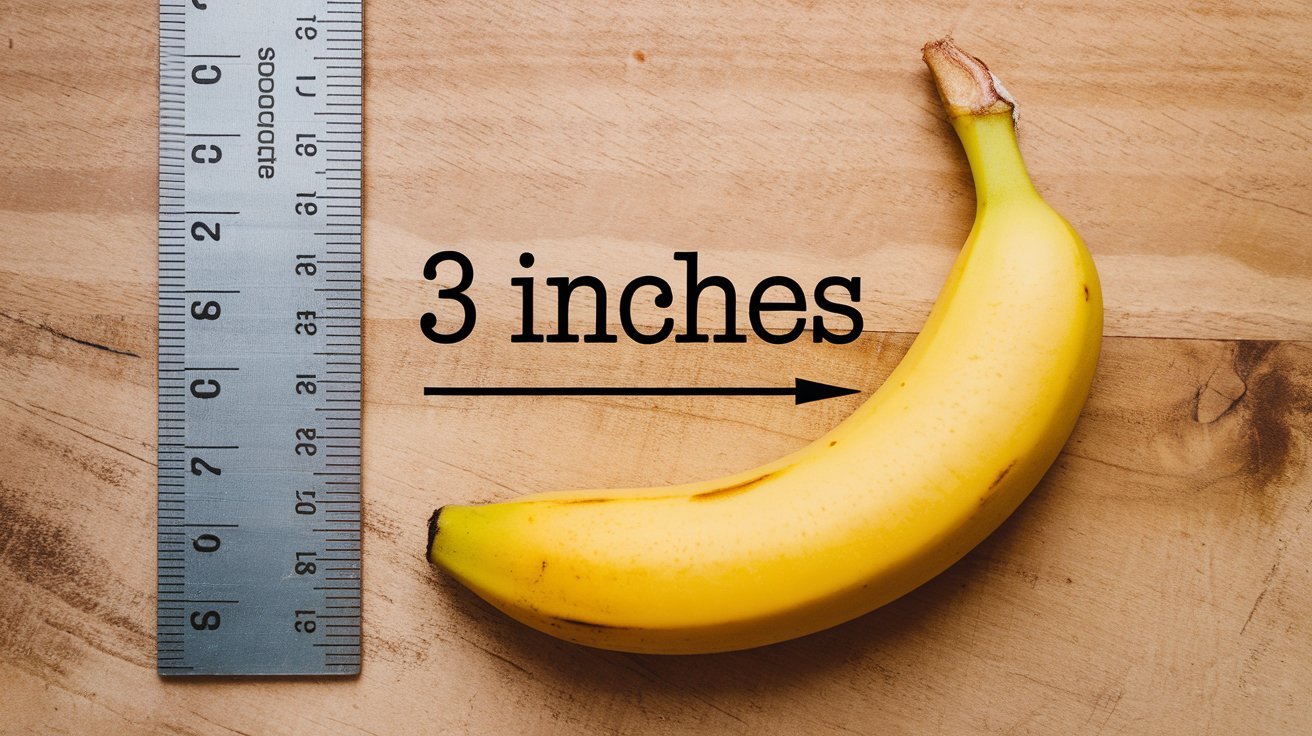
When we ask “how big is 3 inches?”, we are usually looking for a simple way to visualize this relatively small measurement. Although three inches is not a large distance, it appears in many everyday situations, including product dimensions, crafts, tools, hardware, electronics, packaging, jewelry, home improvement, and household objects.
The exact answer is 3 inches equals 7.62 centimeters, or 76.2 millimeters. It is also equal to 0.0762 meters, 0.25 feet, and approximately 0.0833 yards. For a quick mental reference, we can think of three inches as about 7.6 centimeters.
Understanding how big 3 inches is can help us make better size comparisons, interpret product descriptions, convert imperial measurements into metric units, and determine whether an object will fit within a particular space.
How Big Is 3 Inches Exactly?
3 inches is exactly 7.62 centimeters long. This calculation comes from the standard definition:
1 inch = 2.54 centimeters
Therefore:
3 × 2.54 = 7.62 centimeters
In millimeters:
3 × 25.4 = 76.2 millimeters
Here are the most useful conversions:
| Unit | 3 Inches Equals |
|---|---|
| Centimeters | 7.62 cm |
| Millimeters | 76.2 mm |
| Meters | 0.0762 m |
| Feet | 0.25 ft |
| Yards | 0.0833 yd |
For everyday purposes, we can round 7.62 centimeters to approximately 7.6 centimeters. If precision is important, however, the exact measurement should be retained.
One particularly useful comparison is that 3 inches equals exactly one-quarter of a foot. Since a foot contains 12 inches, dividing 12 by four gives three inches.
What Does 3 Inches Look Like?
Measurements are often easier to understand when we can compare them with something familiar. The simplest way to visualize 3 inches is with a standard ruler.
On an inch ruler, the distance from the 0-inch mark to the 3-inch mark is exactly three inches. If the same ruler includes metric markings, the distance reaches 7.62 centimeters.
Three inches can also be visualized as six half-inch intervals or twelve quarter-inch intervals. This is useful when working with rulers that use fractional measurements.
For a rough visual reference, three inches is approximately the length of some small handheld objects, craft supplies, compact accessories, buttons, clips, and hardware components. However, these objects vary considerably in size, so they should only be considered visual comparisons.
For someone more familiar with the metric system, imagining a length of approximately 7.5 to 8 centimeters is another convenient way to picture three inches.
What Common Objects Are About 3 Inches?
Many everyday objects have at least one dimension close to 3 inches, although their actual measurements depend on the specific product.
Examples may include certain small tools, craft materials, decorative objects, jewelry pieces, clips, buttons, containers, and hardware components. Some small electronic accessories may also have dimensions around three inches.
A circular item can also have a 3-inch diameter. In this case, the distance from one edge across the center to the opposite edge is 3 inches, or 7.62 centimeters. Its radius would be 1.5 inches, equal to 3.81 centimeters.
This highlights an important point: 3 inches does not always mean 3 inches long. A product specification may use three inches to describe its length, width, height, diameter, thickness, or diagonal.
When purchasing something online, we should therefore read the complete dimensions rather than relying on the number alone. An object measuring 3 inches in diameter can have a very different shape and appearance from one measuring 3 inches in length.
3 Inches Compared With 1, 2, 5, and 6 Inches
Comparing three inches with familiar measurements makes its size easier to understand.
3 inches is three times as long as 1 inch. Since one inch is 2.54 centimeters, three inches is 7.62 centimeters.
Compared with 2 inches, three inches is exactly 1 inch longer, which means it is 2.54 centimeters longer.
Compared with 5 inches, three inches is 2 inches shorter. Five inches equals 12.7 centimeters, while three inches equals 7.62 centimeters.
Compared with 6 inches, three inches is exactly half as long. Six inches equals half a foot, while three inches equals one-quarter of a foot.
A quick comparison looks like this:
- 1 inch = 2.54 cm
- 2 inches = 5.08 cm
- 3 inches = 7.62 cm
- 5 inches = 12.7 cm
- 6 inches = 15.24 cm
- 12 inches = 30.48 cm
These comparisons show that three inches is a small measurement, but it is large enough to matter when dealing with small components, craft projects, or products that need to fit within a limited space.
How Many Centimeters and Millimeters Are 3 Inches?
The most important metric conversion to remember is:
3 inches = 7.62 centimeters
The millimeter equivalent is:
3 inches = 76.2 millimeters
If we need a rough figure, we can say 3 inches is approximately 7.6 centimeters. For quick mental calculations, it can also be described as roughly 8 centimeters, although this is less precise.
The exact conversion is calculated by multiplying three by 2.54:
3 × 2.54 = 7.62 cm
To convert into millimeters:
3 × 25.4 = 76.2 mm
The reverse conversion is equally straightforward:
7.62 ÷ 2.54 = 3 inches
These calculations are useful for DIY projects, woodworking, engineering, manufacturing, crafts, sewing, packaging, and online shopping.
When a component must fit into a precisely measured opening, using 7.62 cm rather than rounding to 8 cm can prevent an unnecessary measurement error.
Where Is a 3-Inch Measurement Commonly Used?
The 3-inch measurement is used in many areas because it is a convenient size for small products and components.
In crafting, three inches may describe pieces of paper, fabric, ribbon, decorative items, templates, or other materials. In hardware and home improvement, it can describe screws, fittings, pipes, boards, handles, and other components, depending on the application.
In electronics, three inches may describe a small physical component or a display dimension. When dealing with screens, however, we should determine whether the measurement refers to the diagonal, width, or height.
Three inches can also appear in jewelry, accessories, packaging, artwork, photography, and household products. Manufacturers often provide several dimensions, such as 3 × 2 × 1 inches, to describe the complete size of an item.
For online shopping, converting these measurements into centimeters helps us understand the physical scale of a product before ordering it. This can be particularly useful when an item needs to fit inside a drawer, container, shelf, case, or other restricted area.
How to Measure 3 Inches Accurately
The easiest method is to use a ruler or measuring tape marked in inches. Place one end of the object at the zero point and extend the ruler until it reaches the 3-inch mark.
If we only have a metric ruler, measure 7.62 centimeters for an exact equivalent. For a rough estimate, approximately 7.6 centimeters is usually sufficient.
Before measuring, we should identify the exact dimension required. If an object is described as 3 inches wide, we should measure its width rather than its length. If it is a 3-inch circle, the relevant measurement may be its diameter.
For precision work, a caliper or other suitable measuring instrument can provide greater accuracy than a basic ruler.
We should also avoid estimating three inches solely by looking at an object. Visual comparisons can be helpful, but even a small error can matter when designing, cutting, assembling, or fitting materials.
Conclusion: How Big Is 3 Inches?
So, how big is 3 inches? The exact answer is 7.62 centimeters or 76.2 millimeters. Three inches is also exactly one-quarter of a foot and approximately 0.0833 yards.
For quick visualization, we can remember that 3 inches is about 7.6 centimeters. A standard ruler provides the easiest way to see the exact distance, while familiar small objects can help us develop a general sense of its size.
The measurement is commonly encountered in crafts, hardware, electronics, packaging, jewelry, household products, DIY projects, and product specifications. However, we should always check whether “3 inches” refers to length, width, height, diameter, thickness, or diagonal.
The key conversions are:
3 inches = 7.62 cm = 76.2 mm = 0.0762 m = 0.25 ft
Knowing these equivalents makes it much easier to understand and compare measurements in both imperial and metric systems.
Frequently Asked Questions About 3 Inches
How many centimeters is 3 inches?
3 inches equals exactly 7.62 centimeters. For everyday estimates, it can be rounded to approximately 7.6 cm.
How many millimeters are in 3 inches?
3 inches equals 76.2 millimeters because one inch equals exactly 25.4 millimeters.
Is 3 inches one-quarter of a foot?
Yes. 3 inches is exactly one-quarter of a foot, because one foot contains 12 inches.
Is 3 inches the same as 8 centimeters?
Not exactly. 3 inches equals 7.62 centimeters. Eight centimeters is slightly longer by 0.38 centimeters.
What does 3 inches look like?
Three inches is approximately 7.6 centimeters long. A ruler is the easiest way to visualize the exact distance.
What objects are approximately 3 inches long?
Some small tools, craft supplies, accessories, decorative items, and hardware components may be around three inches. Their actual sizes vary, so a ruler should be used for accurate measurements.
Can we measure 3 inches with a metric ruler?
Yes. Measure exactly 7.62 centimeters on a metric ruler to represent three inches.
What is a 3-inch diameter?
A 3-inch diameter means the distance across a circular object through its center is 3 inches, or 7.62 centimeters. Its radius would be 1.5 inches.
When people search for “YN YN meaning” or ask “what does YN mean?”, the answer depends heavily on where the abbreviation appears. YN is a short term used in texting, social media, fan communities, and other online spaces, but it does not always have one universal meaning. The surrounding conversation, platform, capitalization, and community can all change how the letters are interpreted.
In modern online slang, YN can refer to “Your Name,” particularly in fan fiction and reader-insert stories, where “YN” acts as a placeholder for the reader’s name. In some slang contexts, YN may also have other meanings, including abbreviations that are community-specific or potentially offensive. Because of these differences, we should always consider context before deciding exactly what YN means.
This complete 2026 guide explains the most common YN meaning in text, its use in social media and fan fiction, other possible interpretations, common examples, and how to understand the term correctly.
What Does YN Mean?
The meaning of YN changes according to context. One of its most common online uses is “Your Name.” This is especially popular in fan fiction, reader-insert stories, role-playing content, and interactive online writing.
For example:
“YN walked into the room and saw the message.”
Here, YN means “Your Name.” The reader is expected to imagine their own name in place of the abbreviation.
If a reader named Alex encounters:
“YN smiled and opened the door.”
they can read it as:
“Alex smiled and opened the door.”
This format allows writers to create stories in which the reader can imagine themselves as the central character.
However, YN can mean something else in different communities. Therefore, we should not automatically assume that “Your Name” is the intended definition in every message, comment, or post.
The basic rule is simple: read the surrounding words before interpreting YN.
YN Meaning in Fan Fiction and Reader-Insert Stories
The use of YN meaning “Your Name” is especially common in reader-insert fiction. A reader-insert story is written so that the audience can imagine themselves participating in the events.
Instead of giving the main character a fixed name, the writer may use:
YN
This creates a placeholder that represents the reader.
For example:
“YN couldn’t believe what happened next.”
The sentence is designed to allow every reader to mentally replace YN with their own name.
YN may appear repeatedly throughout a story because it helps maintain the reader-insert format. It can also be combined with other placeholders. Depending on the writer or platform, stories may use abbreviations for a person’s appearance, age, pronouns, or relationships.
This use became particularly visible through online fan communities, where readers enjoy imagining themselves interacting with fictional characters, celebrities, or characters from popular entertainment.
When YN appears inside a story as though it were a person’s name, “Your Name” is usually the most likely meaning.
What Does YN Mean in Texting and Social Media?
In general texting and social media, the meaning of YN is less predictable than in fan fiction. If someone writes YN in a sentence where it replaces a person’s identity, it may still mean “Your Name.”
For example:
“Put YN here.”
This clearly suggests that the writer wants someone to insert their own name.
However, social media uses abbreviations differently across communities. A term that has a familiar meaning on one platform may have a different meaning elsewhere.
When trying to understand YN in a message, we should look at:
The complete sentence: Does YN appear where a person’s name would normally appear?
The platform: Is the content related to fan fiction, role-playing, or storytelling?
The topic: Is the conversation about a template, form, fictional story, or online slang?
Capitalization: “YN” often looks like an abbreviation, while “Yn” could appear differently depending on the writer’s style.
If YN appears in a story, character scenario, or reader-focused template, “Your Name” is usually the correct interpretation.
Does YN Have Other Meanings?
Yes. Like many two-letter abbreviations, YN can have multiple meanings depending on the community and language.
In some online slang communities, YN may be used with meanings unrelated to “Your Name.” Certain uses can be informal, region-specific, or offensive depending on how the term is applied. This is why context matters more than simply memorizing one definition.
YN may also appear as an abbreviation for:
- Names or initials
- Organizations or projects
- Technical or industry-specific terms
- Usernames or online identifiers
- Community-specific slang
For example, seeing YN in a business document does not automatically mean “Your Name.” Likewise, seeing it as part of a username may not represent an abbreviation at all.
When an abbreviation is extremely short, multiple interpretations become more likely. Two letters can easily represent many different words, so we should avoid relying on one definition without checking the setting.
How Can We Tell What YN Means From Context?
The best way to identify the correct YN meaning is to examine how the letters function in the sentence.
If YN replaces the position where a person’s name would normally go, the meaning is likely “Your Name.”
Example:
“YN received an invitation.”
Because YN acts as the subject and represents a person, the reader-insert definition makes sense.
If the abbreviation appears in a technical discussion, workplace message, or specialized group, we should search for the definition used in that specific context.
We can ask several useful questions:
Where did YN appear?
What is the conversation about?
Does YN replace a person’s name?
Are there other placeholders nearby?
Is the content a story, template, or form?
For example, if a social-media post says:
“Comment YN and your favorite character.”
the intended meaning may need to be determined from the post’s instructions rather than assuming it is a reader-insert placeholder.
Context is especially important because online slang changes rapidly. A term can gain a new meaning within one community without replacing its older meaning elsewhere.
How Is YN Used in Reader-Insert Content?
Writers use YN to make stories more interactive and personal. Instead of assigning one fixed identity to the central character, the placeholder allows the audience to insert their own name.
A writer might use:
“YN looked at the window.”
or:
“Everyone waited for YN to answer.”
The reader then mentally replaces YN with their own name.
This format can make a story feel more direct because the reader imagines themselves inside the fictional situation. It is common in fan fiction, fictional scenarios, character imagines, role-playing posts, and interactive stories.
Some readers enjoy the format because it provides a customizable experience. Others prefer stories with fully developed original characters and fixed names. Both approaches are common in online writing communities.
When writing reader-insert content, using YN consistently is important. If the abbreviation changes between different forms, readers may become confused about whether the same character is being referenced.
YN vs. Similar Online Abbreviations
YN can be confused with other short internet abbreviations because small changes in letters can create completely different meanings.
For example, Y/N is often used instead of YN to make the meaning “Your Name” clearer. The slash separates the two parts of the phrase.
In reader-insert writing:
Y/N = Your Name
Therefore, these sentences have the same intended meaning:
“Y/N entered the room.”
“YN entered the room.”
However, Y/N may also be understood differently in other contexts, such as forms where it means “Yes/No.” Once again, the surrounding content determines the intended meaning.
This demonstrates why short abbreviations can be confusing. The same letters and symbols may have different meanings depending on whether they appear in a story, form, text message, or technical document.
Common Misunderstandings About YN Meaning
One common misunderstanding is believing that YN always means “Your Name.” While this is one of the most recognizable meanings in fan fiction and reader-insert content, it is not the only possible interpretation.
Another mistake is confusing YN with Y/N without considering the context. In a story, Y/N commonly means “Your Name.” In a questionnaire, however, Y/N may simply mean “Yes or No.”
People may also see YN in a social-media trend and assume it has the same meaning everywhere. Online communities often develop their own slang, so a term should always be interpreted according to its specific setting.
Finally, some abbreviations may be repeated without users knowing their original meaning. If the context remains unclear, asking the person who used the term or searching with the complete sentence can provide a more accurate answer.
Conclusion: What Is the Meaning of YN?
So, what does YN mean? One of the most common meanings in online writing and fan communities is “Your Name.” It is used as a placeholder that allows readers to imagine their own name in a story or scenario.
For example:
“YN opened the letter.”
means that the reader can replace YN with their own name.
However, YN can have other meanings depending on the platform, language, and community. Because it is a very short abbreviation, context is essential.
The easiest way to understand the term is to check how it appears in the sentence. If YN is used where a character’s name would normally appear, especially in fan fiction or reader-insert content, “Your Name” is the most likely meaning.
Remembering the context prevents misunderstandings and makes it easier to understand modern internet slang, social-media trends, and online writing conventions.
Frequently Asked Questions About YN Meaning
What does YN mean in text?
In many online writing and fan-fiction contexts, YN means “Your Name.” The abbreviation acts as a placeholder for the reader’s name.
What does Y/N mean?
In reader-insert stories, Y/N commonly means “Your Name.” In other contexts, such as forms, Y/N may mean “Yes/No.”
Why do fan fiction stories use YN?
Writers use YN to allow readers to imagine themselves as the main character by mentally replacing the abbreviation with their own name.
Is YN always short for “Your Name”?
No. YN can have different meanings depending on the community, language, or context where it is used.
How do we know if YN means “Your Name”?
If YN appears where a person’s name would normally appear, especially in a reader-insert story, character scenario, or fan-fiction post, it usually means “Your Name.”
Can YN and Y/N mean the same thing?
Yes. In many fan-fiction and reader-insert contexts, YN and Y/N are both used to mean “Your Name.” The writer’s formatting style determines which version appears.

How Far Is 100 Feet? A Complete Guide to Understanding 100 Feet in Real Life

How Big Is 3 Inches? A Complete Measurement Guide for 2026

YN YN Meaning: What Does YN Mean in Text, Slang, and Social Media? 2026 Guide

Selena Spice: Biography, Career, Age, Height, Social Media, and Rising Popularity

Michelle Schumacher: Biography, Career, Family, Movies, and Creative Journey

Truck Accident in Houston: Causes, Legal Options, Safety Tips, and Everything You Need to Know
 Lifestyle2 months ago
Selena Spice: Biography, Career, Age, Height, Social Media, and Rising Popularity
- Celebrity2 months ago
Michelle Schumacher: Biography, Career, Family, Movies, and Creative Journey
- Blog2 months ago
Truck Accident in Houston: Causes, Legal Options, Safety Tips, and Everything You Need to Know
- Tech1 month ago
Microsoft Ink: The Complete 2026 Guide to Digital Pen Technology, AI Productivity, and Creative Workflows
- Celebrity2 months ago
Kendra Sunde: Biography, Career, Leadership, Achievements, and Lasting Impact
- Celebrity2 months ago
Manuel Mendes: Biography, Career, Achievements, Legacy, and Lasting Influence
- Celebrity2 months ago
Charles Keuchler: A Comprehensive Biography of His Life, Career, and Legacy
- Tech1 month ago
//TurboGeek.org: The Complete 2026 Guide to Technology, AI Innovation, Digital Resources, and Creative Content Tools