Blog
Busy Things: The Ultimate Guide to Managing Daily Tasks Efficiently


In today’s fast-paced world, busy things are part of everyday life. Whether we are managing work responsibilities, family commitments, education, or personal goals, staying organized while handling multiple tasks has become essential. The phrase busy things represents the countless activities, responsibilities, projects, and daily routines that fill our schedules. Understanding how to prioritize these tasks, improve productivity, and reduce unnecessary stress helps us accomplish more while maintaining a balanced lifestyle.
This comprehensive guide explores everything about busy things, including practical productivity techniques, time management strategies, organizational methods, digital tools, and daily habits that help individuals and businesses achieve better results.
What Does Busy Things Mean?
The term busy things refers to the collection of tasks, responsibilities, appointments, errands, goals, and activities that occupy our daily lives. These may include professional assignments, educational commitments, household chores, fitness routines, social events, financial planning, and personal development activities.
Managing busy things effectively requires planning, discipline, and efficient systems that reduce wasted time while increasing productivity.
Why Managing Busy Things Is Important
Successfully managing busy things provides several advantages:
- Improved productivity
- Reduced stress
- Better decision-making
- Higher work quality
- Improved mental focus
- Balanced personal life
- Greater career success
- Enhanced personal satisfaction
Without effective organization, even simple responsibilities can become overwhelming.
Common Examples of Busy Things
Many everyday activities fall under the category of busy things.
These include:
- Work meetings
- Project deadlines
- School assignments
- Grocery shopping
- Household cleaning
- Paying bills
- Exercise routines
- Family responsibilities
- Travel planning
- Medical appointments
- Email management
- Budget tracking
- Personal development
- Reading
- Networking
- Volunteer work
Managing these efficiently creates a smoother daily routine.
How to Prioritize Busy Things
One of the biggest productivity challenges involves deciding what deserves immediate attention.
A simple prioritization method includes dividing tasks into four categories:
Urgent and Important
These tasks require immediate attention.
Examples:
- Project deadlines
- Medical emergencies
- Client meetings
Important but Not Urgent
These tasks contribute to long-term success.
Examples:
- Learning new skills
- Exercise
- Financial planning
- Career development
Urgent but Less Important
These tasks often include interruptions.
Examples:
- Routine emails
- Minor phone calls
- Administrative paperwork
Neither Urgent nor Important
These activities consume valuable time.
Examples:
- Endless social media browsing
- Excessive television
- Unnecessary online distractions
Daily Planning for Busy Things
Planning ahead significantly improves productivity.
A productive daily routine often includes:
Morning Planning
Review priorities.
Set three primary goals.
Schedule appointments.
Midday Review
Evaluate progress.
Adjust priorities if necessary.
Respond to urgent issues.
Evening Reflection
Complete unfinished tasks.
Prepare tomorrow’s schedule.
Review accomplishments.
Time Management Strategies
Managing busy things requires excellent time management.
Some highly effective methods include:
Time Blocking
Allocate specific time slots for each activity.
Benefits include:
- Improved focus
- Fewer distractions
- Better scheduling
Pomodoro Technique
Work for:
- 25 minutes
- Take a 5-minute break
Repeat the cycle to maintain concentration.
Task Batching
Group similar tasks together.
Examples include:
- Answering emails
- Phone calls
- Administrative work
This minimizes mental switching.
Organization Tips for Busy Things
Being organized simplifies every aspect of life.
Helpful organization habits include:
- Keeping a clean workspace
- Using digital calendars
- Creating weekly schedules
- Maintaining to-do lists
- Decluttering regularly
- Setting reminders
- Reviewing goals weekly
Organization saves time and reduces stress.
Best Productivity Tools
Modern technology makes managing busy things much easier.
Popular productivity tools include:
Task Managers
These help organize projects, reminders, and deadlines.
Features often include:
- Task lists
- Due dates
- Notifications
- Collaboration
Calendar Apps
Scheduling tools help manage appointments, meetings, and recurring events.
Benefits include:
- Automatic reminders
- Time blocking
- Shared calendars
Note-Taking Apps
Digital notebooks allow quick organization of ideas, research, and meeting notes.
How to Avoid Feeling Overwhelmed
Handling numerous busy things can become stressful without proper planning.
Effective stress reduction strategies include:
- Breaking large projects into smaller tasks
- Taking regular breaks
- Delegating responsibilities
- Eliminating unnecessary commitments
- Maintaining realistic expectations
- Prioritizing sleep
- Exercising regularly
A balanced approach improves long-term productivity.
Busy Things for Students
Students often manage:
- Homework
- Exams
- Group projects
- Part-time jobs
- Extracurricular activities
Success depends on:
- Daily study schedules
- Assignment tracking
- Early preparation
- Consistent routines
Busy Things for Professionals
Working professionals frequently balance:
- Client meetings
- Reports
- Team collaboration
- Project deadlines
- Professional development
Successful professionals use:
- Calendar scheduling
- Project management tools
- Priority lists
- Meeting agendas
Busy Things for Families
Families coordinate multiple responsibilities every day.
Examples include:
- School schedules
- Meal preparation
- Household maintenance
- Children’s activities
- Financial management
Shared calendars and family planning sessions improve communication.
Common Mistakes When Managing Busy Things
Many people unintentionally reduce their productivity.
Common mistakes include:
- Multitasking excessively
- Poor planning
- Skipping breaks
- Overcommitting
- Ignoring priorities
- Procrastination
- Lack of organization
Avoiding these mistakes increases efficiency.
Healthy Habits That Improve Productivity
Physical and mental health directly influence productivity.
Helpful habits include:
- Drinking enough water
- Getting quality sleep
- Exercising regularly
- Eating nutritious meals
- Practicing mindfulness
- Taking walking breaks
Healthy individuals often accomplish more with less effort.
Long-Term Benefits of Managing Busy Things
Developing strong organizational habits creates lasting advantages.
Benefits include:
- Career growth
- Academic success
- Financial stability
- Better relationships
- Improved confidence
- Reduced stress
- Greater life satisfaction
Consistent improvement leads to sustained success.
Conclusion
Managing busy things effectively is one of the most valuable life skills we can develop. From organizing daily responsibilities to prioritizing long-term goals, proper planning allows us to work smarter rather than harder. By combining effective time management, productivity techniques, digital tools, healthy habits, and realistic planning, we create a balanced lifestyle that supports both personal fulfillment and professional achievement. Every small improvement in organization compounds over time, leading to greater efficiency, reduced stress, and more meaningful accomplishments in every area of life.
Frequently Asked Questions (FAQ)
What are busy things?
Busy things refer to the daily activities, responsibilities, errands, projects, and commitments that occupy a person’s schedule.
How can I organize busy things better?
Create daily task lists, prioritize important activities, use calendars, schedule time blocks, and review your progress regularly.
What is the best productivity method?
Popular methods include the Pomodoro Technique, Time Blocking, and Task Batching, depending on your work style.
Why is prioritization important?
Prioritization ensures that important tasks receive attention before less valuable activities, improving productivity and reducing stress.
How do I stop feeling overwhelmed by busy things?
Break large tasks into smaller steps, focus on one priority at a time, take regular breaks, and avoid unnecessary commitments.
Can technology help manage busy things?
Yes. Task management apps, calendar tools, reminders, and digital note-taking applications make organizing responsibilities much easier.
How often should I plan my schedule?
Daily planning combined with a weekly review provides the best balance between flexibility and organization.
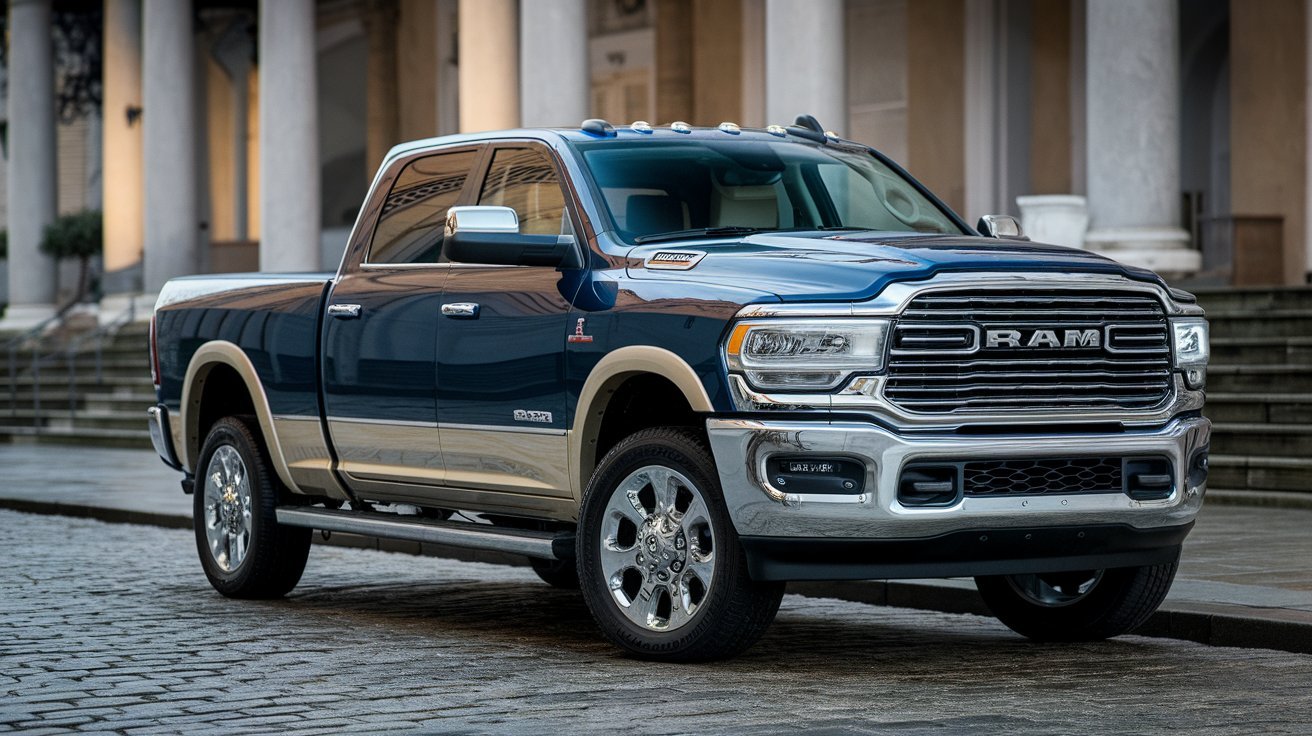
The RAM 2500 Limited stands at the top of the heavy-duty pickup truck market, offering a rare combination of luxury, towing capability, advanced technology, and rugged durability. Designed for drivers who demand premium comfort without sacrificing work-ready performance, the RAM 2500 Limited has become one of the most respected trucks in North America.
Whether used for towing large trailers, hauling equipment, long-distance travel, or everyday driving, the RAM 2500 Limited delivers exceptional capability. Its powerful engine options, upscale interior, advanced safety systems, and impressive towing capacity make it a standout choice among heavy-duty trucks in 2026.
What Makes the RAM 2500 Limited Special?
The RAM 2500 Limited serves as one of the highest trim levels in the RAM Heavy Duty lineup. Unlike entry-level work trucks, the Limited trim focuses on providing a luxury experience while retaining the strength and reliability expected from a heavy-duty pickup.
Key highlights include:
- Premium leather interior
- Advanced towing technology
- Massive touchscreen infotainment system
- Powerful engine options
- Premium wood and metal accents
- High towing and payload capacities
- Advanced driver assistance features
- Distinctive exterior styling
The Limited trim appeals to business owners, contractors, RV enthusiasts, and truck buyers who want top-tier comfort combined with serious capability.
Powerful Engine Options and Performance
One of the biggest strengths of the RAM 2500 Limited is its engine lineup.
6.4-Liter HEMI V8 Gas Engine
The standard engine for many RAM 2500 Limited models is the legendary 6.4-liter HEMI V8.
Key specifications include:
- 405 horsepower
- 429 lb-ft of torque
- 8-speed automatic transmission
- Strong towing performance
- Excellent durability
This engine provides impressive acceleration for a heavy-duty truck while maintaining dependable daily usability.
6.7-Liter Cummins Turbo Diesel
For maximum towing capability, many buyers choose the available 6.7-liter Cummins Turbo Diesel engine.
Benefits include:
- Outstanding low-end torque
- Exceptional towing performance
- Long-term reliability
- Improved highway efficiency
- Heavy-duty work capability
The Cummins engine has earned a strong reputation among truck enthusiasts for its durability and towing power.
Whether hauling construction equipment, horse trailers, boats, or large RVs, the RAM 2500 Limited offers more than enough capability for demanding tasks.
Exceptional Towing and Payload Capacity
Heavy-duty truck buyers often prioritize towing performance, and the RAM 2500 Limited excels in this area.
Depending on configuration and engine choice, towing capacities can exceed:
- 19,000 pounds with diesel configurations
- Substantial payload capability
- Advanced trailer control systems
- Integrated trailer brake controller
- Trailer reverse guidance technology
The truck’s heavy-duty frame and suspension system help maintain stability while towing large loads.
For RV owners and commercial users, this capability makes the RAM 2500 Limited a practical and dependable choice.
Luxury Interior and Premium Comfort
The interior of the RAM 2500 Limited is one of the primary reasons buyers choose this trim level.
Inside the cabin, drivers will find:
- Premium leather seating
- Real wood accents
- High-quality metal trim
- Heated and ventilated seats
- Heated rear seats
- Power-adjustable seating
- Premium stitching throughout the cabin
- Spacious passenger accommodations
The cabin feels more like a luxury SUV than a traditional work truck.
Long-distance travel becomes significantly more comfortable thanks to supportive seating, generous legroom, and advanced climate control systems.
Passengers in both the front and rear seats benefit from a refined environment designed to reduce fatigue during extended journeys.
Technology and Infotainment Features
Technology plays a major role in the RAM 2500 Limited experience.
The truck includes some of the most advanced technology available in the heavy-duty pickup segment.
Key technology features include:
- Large Uconnect touchscreen system
- Apple CarPlay integration
- Android Auto compatibility
- Wireless smartphone connectivity
- Premium Harman Kardon audio system
- Navigation system
- Digital driver information display
- Multiple USB charging ports
- Wireless charging pad
The infotainment system is designed for ease of use while providing quick access to entertainment, navigation, vehicle settings, and towing information.
Drivers can monitor trailer performance, navigation routes, and vehicle diagnostics through intuitive digital displays.
Advanced Safety and Driver Assistance Systems
Modern truck buyers expect advanced safety features, and the RAM 2500 Limited delivers a comprehensive package.
Important safety technologies include:
- Adaptive cruise control
- Forward collision warning
- Automatic emergency braking
- Blind-spot monitoring
- Lane departure warning
- Rear cross-path detection
- 360-degree camera system
- Parking assistance technology
These systems help improve driver awareness and enhance safety during daily driving and towing operations.
The advanced camera systems are particularly useful when maneuvering trailers or navigating tight parking areas.
Exterior Styling and Road Presence
The RAM 2500 Limited features a bold and upscale exterior design that distinguishes it from lower trim levels.
Exterior highlights include:
- Premium chrome accents
- Signature RAM grille
- LED headlights and taillights
- Large wheel options
- Power running boards
- Distinctive Limited badging
- Premium paint selections
Its commanding size and sophisticated styling create an impressive presence on the road.
Whether arriving at a job site, business meeting, or campground, the RAM 2500 Limited projects confidence and capability.
Why the RAM 2500 Limited Stands Out in 2026
The heavy-duty truck segment is highly competitive, yet the RAM 2500 Limited continues to attract buyers because of its unique balance of luxury and performance.
Major advantages include:
- Outstanding towing capability
- Powerful engine choices
- Luxury-grade interior
- Advanced technology
- Comfortable ride quality
- Premium materials
- Strong resale value
- Versatile work and recreation capabilities
Few trucks successfully combine heavy-duty functionality with genuine luxury, making the RAM 2500 Limited a standout option.
Conclusion
The RAM 2500 Limited remains one of the most impressive heavy-duty pickup trucks available in 2026. Combining premium luxury, exceptional towing power, advanced safety systems, modern technology, and proven durability, it delivers a complete package for both work and personal use.
Whether equipped with the powerful 6.4-liter HEMI V8 or the legendary 6.7-liter Cummins Turbo Diesel, the RAM 2500 Limited offers the performance needed for demanding jobs while providing the comfort and sophistication expected from a premium vehicle. For drivers seeking a truck that excels in capability without compromising luxury, the RAM 2500 Limited continues to set the standard in the heavy-duty pickup market.


Planning an event can quickly become expensive, especially when venue costs, catering, decorations, entertainment, equipment, invitations, transportation, and unexpected expenses begin adding up. www.thriftyevents.net is positioned around a simple idea: memorable events do not have to require an enormous budget. The website focuses on smart event planning, budgeting tips, DIY ideas, affordable solutions, and practical planning advice designed to help people create enjoyable events while controlling costs. Its current homepage describes the platform as a resource for planning small gatherings, corporate events, and larger celebrations without overspending.
The site’s stated mission is to provide practical, creative, and resourceful advice for event planning, DIY projects, and budgeting. Its goal is to help readers make smarter decisions and obtain better value from their event spending. In this 2026 guide, we explore what www.thriftyevents.net offers, how its content can help event planners, the major categories to explore, useful budgeting strategies, DIY approaches, and the best way to use the website as part of a complete event-planning process.
What Is www.thriftyevents.net?
www.thriftyevents.net is an event-planning website focused primarily on helping readers organize celebrations and gatherings while keeping spending under control. The homepage currently highlights three core areas: Budgeting Tips, DIY Ideas, and Event Planning. These categories provide a straightforward structure for visitors who want to learn how to reduce costs without automatically reducing the quality of an event.
The site’s approach is not simply about choosing the cheapest available option. Instead, its content emphasizes making thoughtful decisions about where money should be spent and where savings can be achieved through planning, creativity, negotiation, or do-it-yourself solutions.
The website’s About page explains that its concept developed from the challenges of organizing events on tight budgets. According to the site’s stated mission, the objective is to show readers how thoughtful planning can produce successful events without unnecessary overspending.
Budgeting Tips for Smarter Events
One of the most important areas of www.thriftyevents.net is budgeting. An event budget gives planners a clear picture of what they can afford before commitments are made. Without a budget, it is easy to spend heavily on one category and discover later that there is not enough money for essential services.
The website’s current budgeting section contains content covering practical financial decisions and event-related spending. Its broader planning philosophy emphasizes stretching available funds rather than simply cutting everything.
A useful approach is to divide the total budget into categories such as venue, food and drinks, decorations, entertainment, equipment, marketing, transportation, staffing, and contingency expenses. Planners can then identify which categories directly affect the guest experience and prioritize them.
For example, an important corporate presentation may require better audiovisual equipment, while a small family gathering may benefit more from food and comfortable seating. The principle is simple: spend more where guests will notice the difference and save where they will not.
DIY Ideas and Affordable Creativity
The DIY Ideas section is another important part of www.thriftyevents.net. DIY does not necessarily mean making every part of an event from scratch. Instead, it can involve identifying specific areas where creativity can replace expensive professional services or unnecessary purchases.
Decorations are an obvious example. Planners can create table decorations, signs, photo backdrops, centerpieces, invitations, or themed displays using inexpensive materials. Reusable decorations can also provide better long-term value because they can be adapted for future occasions.
The official homepage specifically promotes creative DIY ideas alongside budgeting and event-planning advice. The advantage of this approach is that personalization and affordability can work together. A handmade element can sometimes feel more distinctive than an expensive mass-produced decoration.
However, we should avoid turning DIY into a source of unnecessary stress. If a task requires specialist equipment, extensive time, or technical knowledge, renting or hiring a professional may ultimately provide better value.
Event Planning Resources for 2026
The Event Planning category on www.thriftyevents.net contains a wide range of current articles covering practical event-planning questions. Recent topics include outdoor and waterfront event preparation, PA system rentals, budget-friendly events, event posts, and planning strategies.
The site’s content also discusses the importance of creating an organized event-planning document. Such a document can contain timelines, budgets, vendor contacts, responsibilities, venue information, marketing plans, and contingency arrangements.
This is especially useful because successful events involve many moving parts. A planner may need to coordinate the venue, caterer, entertainment, transportation, equipment, guests, speakers, decorations, and staff simultaneously.
A central planning document creates a single source of information. It also makes it easier to identify deadlines and responsibilities, reducing the possibility that an important task will be forgotten.
How to Use www.thriftyevents.net Effectively
To get the most value from www.thriftyevents.net, we recommend starting with the event’s objective rather than immediately searching for decorations or vendors. Decide what type of event you are organizing, how many people are attending, what experience you want to create, and how much you can realistically spend.
Next, use the site’s budgeting content to establish spending priorities. After that, explore the DIY section for areas where you can save money through creativity. Finally, use the event-planning articles to develop timelines, checklists, vendor questions, and contingency plans.
The website also publishes guidance about creating effective posts for its audience. That guide recommends clear headlines, SEO-friendly organization, useful visuals, actionable information, and strong calls to action. This indicates that the platform is not only useful to event attendees or planners but can also be relevant to writers and contributors interested in creating event-related content.
Affordable Event Planning Without Sacrificing Quality
Being thrifty does not mean making an event look cheap. The strongest budget-friendly event strategy is based on prioritization. Instead of reducing every expense equally, planners should determine which elements matter most to guests and protect those areas.
Food quality, venue comfort, accessibility, entertainment, or audiovisual performance may be more important for one event than another. Meanwhile, expensive custom decorations or unnecessary extras might provide little additional value.
The site’s 2026 content repeatedly emphasizes smart trade-offs, clear budgets, reuse, vendor negotiation, and practical planning. These ideas are particularly useful when prices are uncertain because they encourage planners to make decisions based on priorities rather than impulse.
Sustainability can also support a thrifty strategy. Reusable décor, local suppliers, reduced waste, and carefully planned food quantities can potentially reduce costs while producing a more responsible event. Recent ThriftyEvents content specifically connects sustainable celebrations with cost-conscious planning.
Why www.thriftyevents.net Matters in 2026
In 2026, event planners face a balancing act between guest expectations and financial limitations. People want events to feel memorable, professional, and personalized, but budgets do not always increase at the same pace as costs.
This is where a resource such as www.thriftyevents.net can be useful. Its emphasis on budgeting, DIY creativity, event organization, and practical decision-making provides a framework for approaching events more strategically.
The website’s stated goal is to become a resource for people planning everything from small gatherings to large corporate events, with an emphasis on confidence, smart decisions, and value for money.
Rather than treating affordability as a limitation, the site’s philosophy encourages planners to see a budget as a planning tool. A clear spending limit can actually make decision-making easier because it forces us to determine what matters most.
Conclusion
www.thriftyevents.net is a 2026 resource centered on budget-conscious event planning, DIY creativity, budgeting strategies, and practical event advice. Its current website organizes content around Budgeting Tips, DIY Ideas, and Event Planning, while its About page emphasizes helping readers create successful events without unnecessary spending.
The most effective way to use the platform is to combine its ideas rather than relying on one category alone. Start with a realistic budget, establish priorities, explore DIY opportunities, organize tasks with a timeline, and prepare backup plans for unexpected problems.
Ultimately, successful thrifty event planning is not about spending as little as possible. It is about spending intentionally. When planners understand their goals, prioritize the guest experience, compare options, reduce waste, and use creativity strategically, they can create events that feel memorable without allowing costs to get out of control.
Frequently Asked Questions About www.thriftyevents.net
What is www.thriftyevents.net?
www.thriftyevents.net is a website focused on affordable event planning, including budgeting tips, DIY ideas, and event-planning advice.
What type of events does ThriftyEvents cover?
The site says its advice can apply to small gatherings, corporate events, and large celebrations, making its content relevant to different types of planners.
Can www.thriftyevents.net help with event budgeting?
Yes. Budgeting Tips is one of the site’s primary categories, and its articles discuss ways to plan spending and avoid unnecessary expenses.
Does ThriftyEvents provide DIY ideas?
Yes. The website specifically features a DIY Ideas category focused on creative approaches to event preparation and decoration.
What is the main idea behind ThriftyEvents?
The central idea is that great events do not have to require excessive spending. The site encourages practical planning, creative solutions, budgeting, and smart purchasing decisions.
Is www.thriftyevents.net useful for event planners in 2026?
It can be useful as an informational planning resource, particularly for people looking for budget-conscious ideas, DIY approaches, and general event-planning guidance. As with any online resource, specific prices, vendors, availability, and other time-sensitive details should be independently verified before making financial commitments.


 Business3 months ago
What Interests You Most About Opportunities at Coke Florida
- Lifestyle3 months ago
Selena Spice: Biography, Career, Age, Height, Social Media, and Rising Popularity
- Celebrity4 months ago
Michelle Schumacher: Biography, Career, Family, Movies, and Creative Journey
- Blog4 months ago
Truck Accident in Houston: Causes, Legal Options, Safety Tips, and Everything You Need to Know
- Celebrity3 months ago
Manuel Mendes: Biography, Career, Achievements, Legacy, and Lasting Influence
- Tech3 months ago
Microsoft Ink: The Complete 2026 Guide to Digital Pen Technology, AI Productivity, and Creative Workflows
- Celebrity3 months ago
Helen Kardashian: Everything We Know About the Name, Background, and Public Interest
- Celebrity4 months ago
Kendra Sunde: Biography, Career, Leadership, Achievements, and Lasting Impact